
At Heartwood Recovery, we believe lasting recovery requires more than simply stopping substance use. True healing addresses the underlying causes of addiction while building the skills and support systems necessary for long-term sobriety.
Our treatment philosophy combines evidence-based clinical practices with a deeply human approach. We treat substance use disorders as complex conditions affecting the whole person—mentally, physically, and spiritually. This is why our treatment model integrates multiple therapeutic modalities, all delivered within a supportive male-specific community environment.
What sets our approach apart is clinical depth combined with genuine personalization. With a maximum of 18 clients in our residential program,
we provide 2–3 individual therapy sessions per week—significantly more than the industry standard of one session weekly. This increased therapeutic contact allows our clinical team to address the roots of addiction more thoroughly while building stronger therapeutic relationships.
Since opening our doors in 2017, we’ve maintained our commitment to boutique, non-corporate treatment where every client receives genuine individualized care.
Individual therapy forms the cornerstone of treatment at Heartwood Recovery. While most treatment centers provide one individual session per week, we offer 2–3 sessions weekly, recognizing that more frequent therapeutic contact leads to deeper healing and stronger outcomes.
In one-on-one sessions with your primary therapist, you’ll explore the psychological aspects of your addiction, identify triggers, process underlying trauma, and develop personalized coping strategies. The increased frequency allows for continuity between sessions, deeper therapeutic work, and more responsive support as challenges arise during treatment.
Our therapists utilize various evidence-based approaches depending on your specific needs, including cognitive-behavioral therapy (CBT), dialectical behavior therapy (DBT), EMDR (Eye Movement Desensitization and Reprocessing) for trauma, and motivational interviewing. Together with your therapist, you’ll determine which therapeutic approaches work best for your recovery journey.
This intensive individual therapy structure provides the detailed, personalized attention necessary to address the complex factors that contribute to addiction. You’ll have space to discuss fears, concerns, desires, and your deepest struggles in a confidential setting where open communication allows your counselor to provide truly tailored treatment.
Group therapy provides a powerful complement to individual work by connecting you with other men navigating similar challenges in recovery. In daily group sessions, participants share experiences, provide mutual support, and learn from each other’s perspectives and struggles.
Led by experienced therapists, our groups create a structured environment where men can practice vulnerability, develop communication skills, and build authentic connections. Group topics include relapse prevention, identifying and managing triggers, relationship building, emotional regulation, and developing healthy coping mechanisms.
Many clients find that while individual therapy provides depth, group therapy offers perspective and connection. You’ll discover you’re not alone in your struggles, gain insights from others at different stages of recovery, and develop accountability to your peers. The relationships formed in group therapy often extend well beyond treatment, becoming part of the lasting support network essential for long-term recovery.
The male-specific group environment allows for honest discussions about issues men commonly face in addiction and recovery, from relationships and family dynamics to work pressures and emotional expression. This gender-specific approach creates safety for authentic sharing and connection.
Addiction affects entire family systems, creating wounds, dysfunctional patterns, and communication breakdowns that persist even after treatment begins. Family therapy at Heartwood Recovery addresses these dynamics directly, working toward healed relationships, open communication, and resolved conflict.
Family therapy sessions provide structured opportunities for family members to express past hurts, resolve built-up resentment, learn new communication skills, and develop healthier ways of relating. These sessions also help families understand addiction as a disease, learn how to support recovery without enabling, and establish appropriate boundaries.
Family involvement significantly increases motivation for continued recovery and provides crucial support for the transition home. Whether working with parents, spouses, siblings, or other important relationships, our therapists facilitate healing conversations and help families implement balanced goals for family health moving forward.
Many men entering treatment carry unresolved trauma that contributed to or resulted from their substance use. Our trauma-informed approach recognizes the profound impact of trauma on addiction and ensures all treatment is delivered with sensitivity to trauma’s effects.
Trauma-informed care means our clinical team understands how trauma affects the brain, nervous system, and behavior. We create an environment of physical and emotional safety where men can begin processing traumatic experiences without re-traumatization. Using evidence-based approaches like EMDR and trauma-focused CBT, our therapists help clients work through past traumas that fuel addiction.
This trauma work is integrated thoughtfully throughout treatment, allowing men to address these deep wounds at an appropriate pace while building the coping skills necessary to manage trauma responses without substances.
The 12-Step program has helped millions achieve lasting recovery since Alcoholics Anonymous was founded in 1935. At Heartwood Recovery, 12-Step immersion is central to our treatment philosophy.
Many treatment centers introduce clients to the first few steps, but clients often don’t complete the full program after leaving treatment. At Heartwood, we ensure every client completes all 12 Steps during their stay, establishing a firm foundation for ongoing recovery.
Through daily AA meetings both at our facility and in the Austin community, residents become integrated into the 12-Step fellowship. Working through the steps addresses the emotional difficulties, resentments, and self-seeking behaviors that drive addiction, while incorporating spiritual principles like honesty, humility, brotherhood, and service.
By the time clients complete treatment, 12-Step meeting attendance and fellowship have become ingrained in their daily lives. This connection to a recovery community provides ongoing support, accountability, and a proven framework for maintaining sobriety.
Physical health is inseparable from mental and emotional recovery. Our fitness and wellness program helps restore the body while building healthy habits that support long-term sobriety.
Exercise releases endorphins, improving mood and creating natural feelings of well-being—crucial for men learning to experience positive emotions without substances. Regular physical activity also reduces stress (a major relapse trigger), promotes restorative sleep, increases energy, and strengthens the immune system.
Beyond these immediate benefits, establishing a fitness routine provides structure, builds discipline, and offers a healthy outlet for managing difficult emotions. Whether through cardiovascular exercise, weight training, yoga, or other activities, clients develop sustainable fitness practices they can maintain after treatment.
Studies suggest regular exercise can prevent relapse by up to 95 percent through stress management and other protective factors. Our fitness program gives you practical tools for maintaining both physical health and emotional stability in recovery.
First individual therapy session (for those scheduled that day) or process group

Most addiction treatment at Heartwood Recovery is covered by private insurance. We are in-network with Aetna, Blue Cross Blue Shield, Cigna, Ambetter, Magellan, Moda, Curative and Multiplan. We also work with out-of-network benefits when clients have coverage and can pay their out-of-pocket costs.
Our admissions team will verify your insurance and explain your financial options during the initial consultation.
The combination of evidence-based treatment, increased therapeutic contact, trauma-informed care, and authentic community support provides the foundation for lasting recovery. If you or a loved one is struggling with addiction, our team is here to help you take the first step.
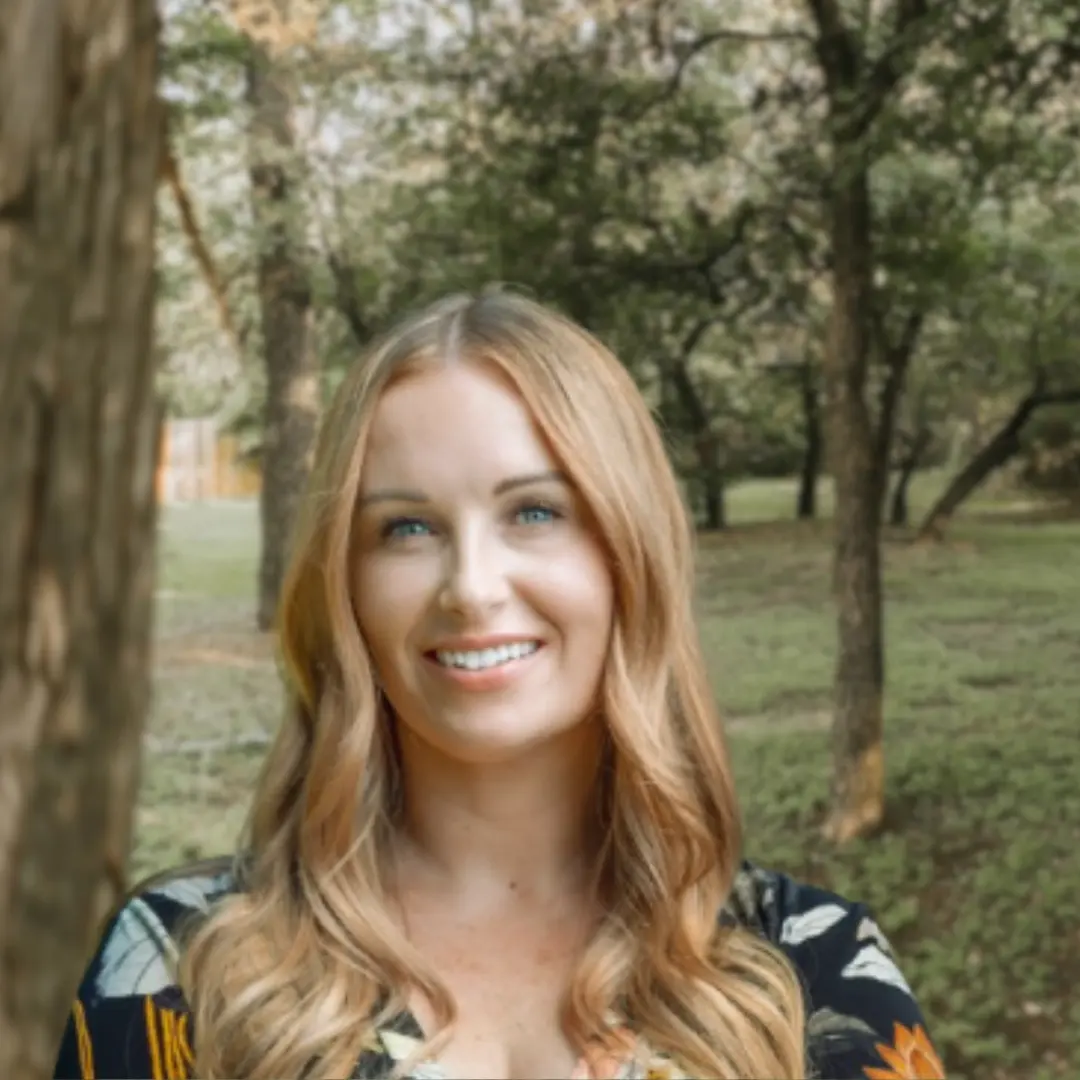
With over 19 years in behavioral healthcare, Megan has led admissions, operations, compliance, and HR for adolescent and adult programs. She holds a Diploma in Alcohol and Drug Counseling Studies and graduated with honors from Chapman University with a BA in Communication Studies. Megan is a member of Lambda Pi Eta and a SHRM Certified Professional. She has developed multiple treatment start-ups and assisted existing facilities with strategic expansion, achieving licensure, certification, and accreditation.
