
12-step immersion treatment at Heartwood Recovery combines the proven fellowship of AA and NA with licensed clinical therapy, structured daily accountability, and direct connections to Austin’s recovery community — giving men far more than a standalone meeting ever could.
12-step immersion treatment is a structured clinical approach that integrates the 12-step recovery model — most widely recognized through Alcoholics Anonymous — into every layer of a man’s treatment program. It goes far beyond attending a few meetings per week.
At Heartwood Recovery, immersion means the 12 steps inform your daily schedule, your therapy sessions, your peer relationships, and your connection to Austin’s broader recovery community. The clinical team and the fellowship work in the same direction, not in parallel silos.
Walking into an AA meeting on your own can be life-changing — but it can also be overwhelming, isolating, or simply not enough for men in early recovery. Standalone AA provides fellowship and a framework, but it doesn’t include clinical therapy, medical oversight, structured accountability, or guidance on how to actually work the steps.
Heartwood’s 12-step immersion program provides all of that. A licensed therapist helps you understand why certain steps bring up resistance. A sponsor helps you move through the steps with accountability. And a clinical team monitors your progress, adjusts your treatment plan, and addresses co-occurring mental health conditions that AA alone can’t treat.
The result is a man who doesn’t just attend meetings — he understands the program, has a sponsor, has a home group, and is genuinely embedded in the Austin recovery community before he ever walks out the door.

| Feature | Standalone AA | Heartwood 12-Step Immersion |
|---|---|---|
| Meeting attendance | Self-directed | Daily, staff-facilitated |
| Sponsorship | Find one on your own | Actively supported during treatment |
| Clinical therapy | None | Individual + group, 5 days/week |
| Step work guidance | Sponsor-driven | Sponsor + licensed therapist |
| Mental health treatment | Not available | Integrated dual diagnosis care |
| Community connections | Varies | Direct Austin AA/NA group introductions |
| Accountability | Peer-based only | Clinical + peer + staff |
| Structure | Meeting schedule only | Full daily treatment schedule |
Every residential client at Heartwood attends an AA or NA meeting daily. Staff transportation is provided so that access to Austin’s recovery community is never a barrier.
Meetings are selected intentionally. Heartwood staff are embedded in the Austin recovery community and know which groups are strong, welcoming, and well-suited to men in early recovery. Clients are introduced to multiple meetings across South Austin and the broader metro so they can find the groups that feel like home — the ones they’ll keep attending after treatment ends.
A typical day at Heartwood includes:
This rhythm matters. Recovery research consistently shows that early-stage sobriety benefits from external structure — and that daily meeting attendance significantly improves long-term outcomes compared to weekly or self-directed attendance.
One of the biggest gaps in traditional rehab is the sponsorship gap: men leave treatment without a sponsor, without step work in progress, and without accountability outside their clinical team. When treatment ends, they’re starting from scratch with AA on the outside.
Heartwood closes this gap during treatment. The clinical team and alumni network actively support each client in connecting with a sponsor from the Austin recovery community while he is still in residential care. By the time a man steps down to Partial Hospitalization (PHP) or Intensive Outpatient (IOP), he already has:
This continuity is what makes the difference between short-term sobriety and long-term recovery.
The 12-step program is spiritually and behaviorally powerful — but it was never designed to treat trauma, diagnose depression, or manage the neurological effects of long-term substance use. That’s where licensed clinical therapy becomes essential.
At Heartwood, your therapist and your sponsor work in complementary roles. Your therapist helps you identify the emotional and psychological barriers that surface as you work the steps. Your sponsor guides you through the step work itself. Neither replaces the other, and your treatment plan reflects both.
Individual therapy sessions at Heartwood address:
Group therapy runs alongside the 12-step community, creating a second layer of peer accountability — one that is clinically facilitated, not just fellowship-based.
For men managing both addiction and a mental health diagnosis, this integration is not optional. It’s what makes treatment effective rather than temporary. Learn more about Heartwood’s dual diagnosis approach and how clinical and 12-step care work together.

Immersion in the 12 Steps is at the heart of our philosophy. Many clinics may allow patients to begin with the first few steps; however, these individuals may not finish the balance of the program when they leave treatment.
While staying at Heartwood Recovery in 12-Step Immersion Treatment, we make sure that every one of our residents completes all 12 Steps, laying a firm basis for their continuing recovery. During their recovery, residents here participate in daily AA (12-Step) meetings including both in the treatment facility and in the community.
After they leave treatment, 12-Step fellowship and program attendance have become ingrained in their daily lives. This keeps people sober and supported throughout their recovery.
Unlike facilities that only introduce the first few steps, we ensure every client works through all 12 Steps before completing treatment. This complete foundation is essential for lasting recovery.

Residents attend daily AA meetings both at our facility and in the Austin community, becoming integrated into the local recovery fellowship from day one.
By attending community meetings during treatment, you build relationships with people in long-term recovery who will continue supporting you after discharge.
Working the steps helps you practice honesty, humility, brotherhood, and service—spiritual principles that replace the selfishness and dishonesty that characterized active addiction.
The 12-Step fellowship provides a worldwide support system. No matter where you go, you can find meetings and people who understand your journey.
Austin has one of the most active recovery communities in Texas. Hundreds of AA and NA meetings run each week across the city, and the fellowship culture here — particularly in South Austin — is strong, welcoming, and diverse.
Heartwood’s location and staff relationships give clients direct, warm-introduction access to this community. Men at Heartwood don’t walk into a meeting as strangers. They arrive with staff, often alongside peers who have attended before, and are introduced to group members who are willing to take them under their wing.

Austin groups clients commonly connect with include:
These connections continue through every level of Heartwood’s continuum of care. From residential treatment through PHP, IOP, and into Transitional Living, the same Austin recovery community stays consistent. The men you meet in a meeting during residential will be the men supporting you a year into sobriety.

Our male-specific environment enhances 12-Step work by creating space for men to discuss challenges unique to their experience. Working the steps alongside other men facing similar struggles builds authentic brotherhood and allows for honest conversations about issues men commonly encounter in recovery.
This gender-specific approach to 12-Step immersion helps men develop the vulnerability and emotional honesty necessary for thorough step work while maintaining the structure and accountability many men need to stay engaged in the process.
| Step | Theme | What It Addresses |
|---|---|---|
| Step 1 | Admission | Surrendering the illusion of control |
| Step 2 | Hope | Opening to the possibility of recovery |
| Step 3 | Commitment | Turning will over to a higher power |
| Step 4 | Inventory | Honest self-assessment of character |
| Step 5 | Disclosure | Sharing the inventory with another person |
| Step 6 | Readiness | Willingness to release character defects |
| Step 7 | Humility | Asking for those defects to be removed |
| Step 8 | Accountability | Making a list of those harmed |
| Step 9 | Amends | Making direct amends where possible |
| Step 10 | Maintenance | Ongoing self-inventory |
| Step 11 | Connection | Prayer and meditation practice |
| Step 12 | Service | Carrying the message to others |
Working the steps with a sponsor while in clinical treatment gives each step real weight. The emotional material that surfaces — resentments, guilt, fear — gets processed in therapy rather than carried alone.
This approach is particularly well-suited to men who:
It is also effective for men who are skeptical of the 12 steps — the immersion approach often shifts that skepticism into genuine engagement because the clinical framework helps explain why the steps work, not just what they ask you to do.
Do I have to be religious to benefit from 12-step treatment? No. The 12 steps reference a “higher power,” which is intentionally left open to individual interpretation. Many men in recovery understand their higher power as the group itself, nature, or something purely personal. Heartwood’s clinical team can help you navigate this aspect of the program without pressure.
What if I’ve tried AA before and it didn’t work? That’s common. Most men who “tried AA and it didn’t work” attended meetings without clinical support, without a sponsor, and without structured step work. Heartwood’s immersion model addresses each of those gaps directly.
Can I attend AA meetings outside of what Heartwood schedules? Yes. As men progress through the program and demonstrate stability, additional meeting attendance is encouraged and supported.
Does 12-step immersion work alongside medication-assisted treatment (MAT)? Yes. The 12-step program and evidence-based clinical care — including MAT when clinically indicated — are compatible. Your treatment plan is individualized based on your medical and clinical needs.
What happens to my AA/NA connections after I leave residential? They continue. Heartwood’s transitional living program is located in downtown Austin, which keeps men embedded in the same recovery community throughout the step-down process. Alumni programming extends that connection further.
Begin your healing journey right now with a true 12-Step Immersion Program. For persons who are dependent on alcohol and substances, this is a 12-step immersion recovery program that makes a difference. Through the principles of Alcoholics Anonymous’ 12 Steps, our gender-specific addiction program assists individuals in rebuilding their lives.
By completing all 12 Steps during treatment and becoming thoroughly integrated into the fellowship, you leave Heartwood Recovery with a proven framework for maintaining sobriety and a support network that extends across the country and around the world.
Heartwood Recovery’s 12-step immersion program gives men the structure, clinical support, and real-world community connections they need to make the program stick — not just during treatment, but for the rest of their lives.
If you’re ready to take the first step, call us at (737) 325-3556 or verify your insurance to get started. Our admissions team is available to walk you through the admissions process and answer any questions about what to expect.
We use cookies to improve your experience on our site. By using our site, you consent to cookies.
Manage your cookie preferences below:
Essential cookies enable basic functions and are necessary for the proper function of the website.
Statistics cookies collect information anonymously. This information helps us understand how visitors use our website.
Clarity is a web analytics service that tracks and reports website traffic.
Service URL: clarity.microsoft.com (opens in a new window)
Google Analytics is a powerful tool that tracks and analyzes website traffic for informed marketing decisions.
Service URL: policies.google.com (opens in a new window)
Google reCAPTCHA helps protect websites from spam and abuse by verifying user interactions through challenges.
Marketing cookies are used to follow visitors to websites. The intention is to show ads that are relevant and engaging to the individual user.
CallRail is a call tracking and analytics service. Its script swaps the phone numbers shown on a page and stores the visitor's referrer, landing page and session ID, so phone calls and form submissions can be attributed to the marketing source that brought the visitor to the site.
Service URL: www.callrail.com (opens in a new window)
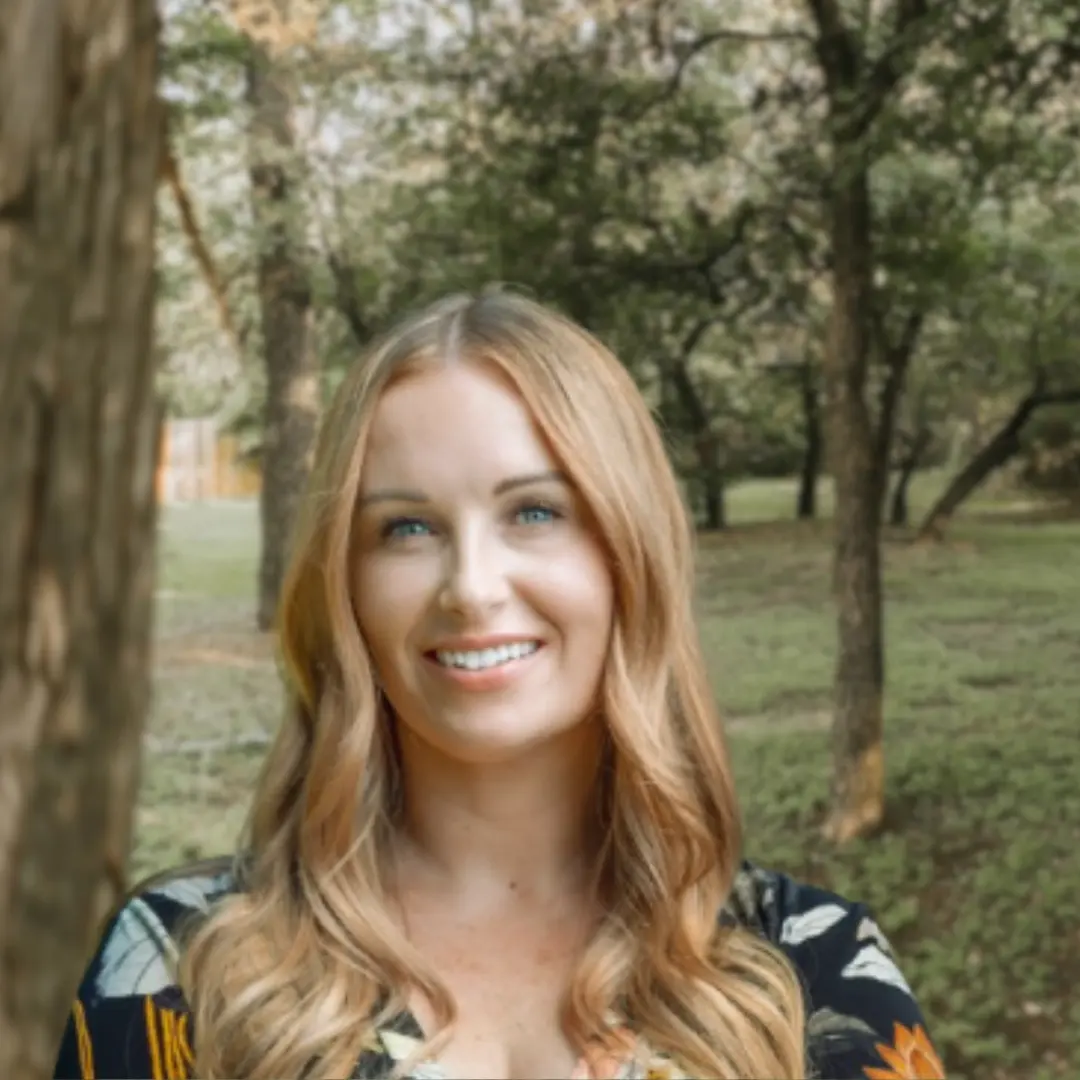
With over 19 years in behavioral healthcare, Megan has led admissions, operations, compliance, and HR for adolescent and adult programs. She holds a Diploma in Alcohol and Drug Counseling Studies and graduated with honors from Chapman University with a BA in Communication Studies. Megan is a member of Lambda Pi Eta and a SHRM Certified Professional. She has developed multiple treatment start-ups and assisted existing facilities with strategic expansion, achieving licensure, certification, and accreditation.