
Heartwood Recovery’s men’s sober living program offers a structured, clinically supported transitional living environment in Downtown Austin, Texas. Designed as a step-down from residential treatment, our transitional living home bridges the gap between inpatient rehab and independent life — giving men the accountability, peer support, and professional guidance they need to build a lasting foundation in recovery.
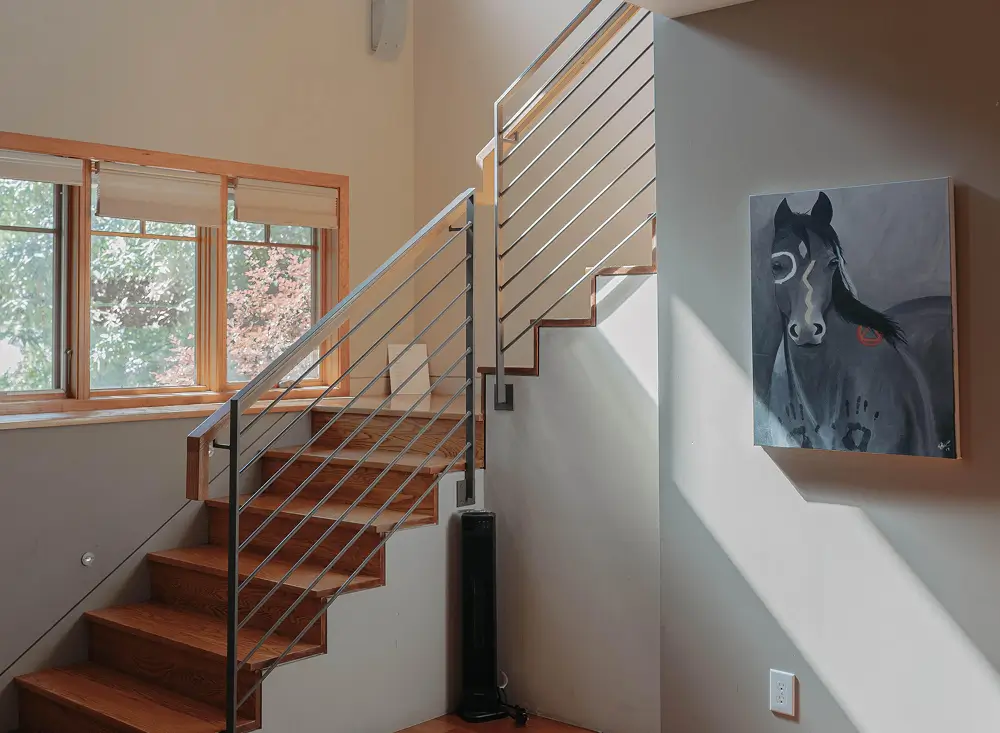
Our transitional living program is not a standard sober house. It is an integrated component of Heartwood Recovery’s full continuum of care — designed specifically for men who have completed residential treatment and are ready to take their next step toward independence while continuing structured clinical programming.
Upon successful completion of Men’s Residential Treatment, clients are strongly encouraged to transition into our sober living home in Downtown Austin. While in transitional living, residents simultaneously participate in our Partial Hospitalization Program (PHP), ensuring continued therapeutic support, clinical oversight, and accountability throughout the transition.
This combination — supervised recovery housing plus full-time clinical programming — is what sets Heartwood apart from standalone sober living houses in Austin.
Residents in transitional living automatically become part of our alumni network. This includes regular alumni meetings, service opportunities, social events, and lifelong connection to men who have walked the same path.
Since Heartwood Recovery was established in 2017, we’ve built a robust alumni community throughout Austin. This network provides ongoing support and accountability that extends years beyond transitional living.
Transitional living is ideal for men who have completed residential or PHP treatment and established initial sobriety but aren't ready for completely independent living. This phase of recovery requires continued structure and accountability.
The beauty of transitional living is the balance it provides. Men have more freedom and responsibility than in residential treatment, but they're not navigating early recovery alone. It's independence with a safety net.
Many men in transitional living are employed or enrolled in school. Our location in Downtown Austin provides easy access to jobs, educational opportunities, and the resources necessary for rebuilding life alongside recovery.
Isolation is dangerous in early recovery. Transitional living provides built-in peer community—men who understand the struggles, celebrate the victories, and provide accountability when needed. These relationships often become lifelong friendships.
Heartwood Recovery’s transitional living program is designed for men who:
If you or a loved one is approaching the end of residential treatment and looking for a sober living home in Austin, our transitional living program offers a level of clinical integration and oversight that most standalone sober houses cannot provide.
Our transitional living home maintains a maximum capacity of 8 clients. This intentionally small setting means every resident receives individualized attention and support — not a number in a crowded house.
A dedicated, live-in property manager is on-site at all times to facilitate house meetings, provide support and accountability, administer drug testing, and assist residents with the challenges that arise in early recovery.
While in transitional living, residents retain access to Heartwood Recovery's full clinical care team. Professional support doesn't end when residential treatment does — it continues throughout the transitional phase.
Heartwood Recovery is rooted in the 12-step approach to addiction recovery. Transitional living residents are expected to actively work a program, maintain a sponsor, and attend regular meetings as part of daily recovery life. Our 12-Step Immersion Treatment philosophy extends seamlessly into this phase of care.
Length of stay in transitional living is typically 1 to 2 months, depending on each client's individual circumstances and clinical progress. Upon completion, Heartwood's team assists with planning the next transition — whether that means moving to independent sober living or returning home.
The period immediately following residential treatment is one of the most vulnerable stages of recovery. Research from the National Institute on Drug Abuse (NIDA) consistently shows that longer, more continuous engagement with treatment and recovery support services significantly improves long-term sobriety outcomes.
Transitional and sober living environments provide a critical buffer — offering a substance-free home, peer accountability, and continued connection to clinical care while men gradually rebuild the structure and independence required for long-term recovery.
At Heartwood, we believe this step in the continuum is too important to leave to chance. That’s why our transitional living program is not an afterthought — it is a fully staffed, clinically connected phase of care with the same attention to individualized treatment that defines everything we do.
Heartwood Recovery offers a complete men’s addiction treatment continuum, allowing clients to progress through each level of care without changing providers, losing clinical relationships, or starting over.
This continuum model means clients develop deep, trusting relationships with their care team from day one through discharge — a consistency that supports better outcomes at every stage.
Transitional living housing itself is private pay and not typically covered by insurance. However, clinical services like PHP or OP that many transitional living residents attend are covered by insurance. We are in-network with Aetna, Blue Cross Blue Shield, Cigna, Ambetter, Magellan, Moda, Curative and Multiplan. We also work with out-of-network benefits when clients have coverage and can pay their out-of-pocket costs.
Our admissions team will explain all costs upfront during the initial consultation so you understand exactly what to expect financially.
Transitional living at Heartwood Recovery isn’t just about having a safe place to sleep—it’s about building a life worth living in recovery. Men learn to balance work, recovery activities, relationships, and self-care in a structured environment that sets them up for long-term success.
If you or a loved one is looking for men’s sober living in Austin with clinical oversight, a proven 12-step foundation, and a boutique recovery environment — Heartwood Recovery’s transitional living program may be the right fit.
We are here to give you the tools you need to finally find freedom from addiction.
Call us today at 737-279-7505 or contact us online to speak with an admissions specialist.
Sober living and transitional living are terms often used interchangeably, but there is an important distinction. Sober living typically refers to a privately-run, peer-supported residence where individuals in recovery live together in a substance-free environment — without formal clinical programming on-site. Transitional living, as offered at Heartwood Recovery, refers to supervised recovery housing that is directly integrated into a clinical treatment continuum. Heartwood residents in transitional living are simultaneously participating in PHP, supported by a live-in property manager, and connected to the full Heartwood care team. It is a more structured, clinically supervised model than a standard sober house.
At Heartwood Recovery, transitional living typically lasts 1 to 2 months, depending on the individual client’s progress, clinical recommendations, and personal circumstances. Our team works with each resident to ensure the transition to the next phase of care is thoughtful and well-planned.
Our transitional living program is designed as a step-down from residential treatment. Clients who have completed Heartwood’s Men’s Residential Treatment program are strongly encouraged to continue into transitional living. To learn whether you or a loved one may qualify, contact our admissions team directly.
In most cases, standalone sober living housing is not covered by health insurance. However, the clinical programming — such as PHP — that runs concurrently with transitional living at Heartwood may be covered depending on your plan. Heartwood Recovery works with several major insurance providers. contact our admissions team to verify your benefits.
Our men’s sober living home is located in Downtown Austin, Texas. Our main residential campus is in South Austin, approximately 10 minutes away.
Residents are expected to maintain full sobriety, submit to regular drug testing, attend required house meetings, actively work a 12-step program with a sponsor, attend regular recovery meetings, and follow all house guidelines established by the property manager. Residents also participate in PHP programming during their stay.
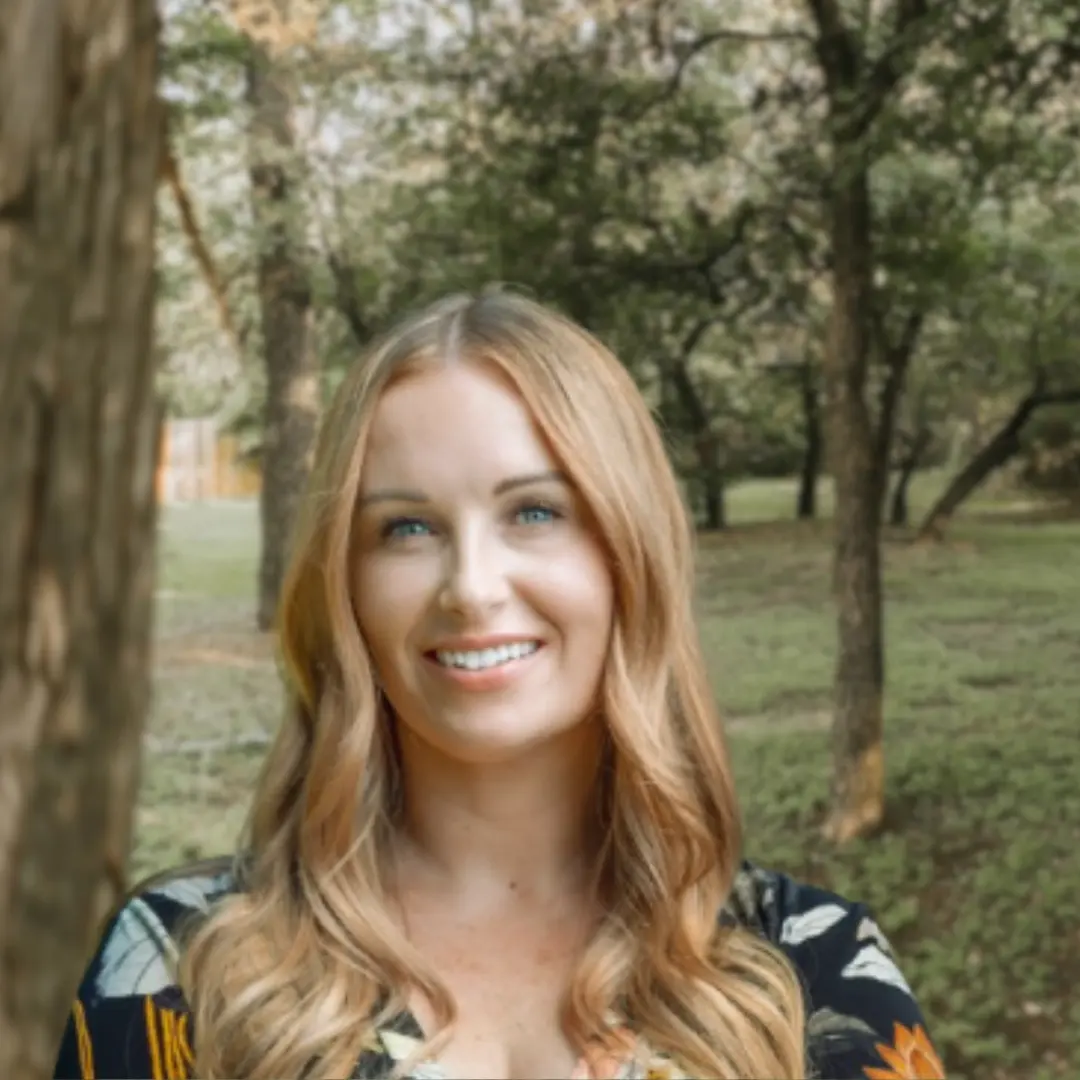
With over 19 years in behavioral healthcare, Megan has led admissions, operations, compliance, and HR for adolescent and adult programs. She holds a Diploma in Alcohol and Drug Counseling Studies and graduated with honors from Chapman University with a BA in Communication Studies. Megan is a member of Lambda Pi Eta and a SHRM Certified Professional. She has developed multiple treatment start-ups and assisted existing facilities with strategic expansion, achieving licensure, certification, and accreditation.
