At Heartwood Recovery, we specialize in treating substance use disorders as the primary issue. Our focus remains on addiction treatment with the clinical depth, trauma-informed care, and 12-Step immersion necessary for lasting recovery. We can also treat mild mental health conditions like anxiety and depression that commonly accompany addiction.
Our male-specific treatment environment in Austin, Texas provides the space men need to work through substance use disorders with authenticity and support. With a maximum of 18 clients and 2–3 individual therapy sessions per week, we deliver the intensive, personalized care that creates real change.
Alcohol is legal, widely available, and socially acceptable—which makes alcohol use disorder one of the most challenging addictions to recognize and address. While millions of people drink without issue, excessive alcohol use causes tremendous harm to physical health, relationships, finances, and every aspect of life.
Over time, excessive alcohol use delivers a massive blow to the body. You may begin experiencing arrhythmia, stroke, high blood pressure, liver damage, and other serious health conditions. Getting ahead of these diseases is one of the core reasons identifying and treating alcohol dependencies is critical.
Our residential and outpatient programs provide the structure and support necessary to establish sobriety and build a life free from alcohol. We combine evidence-based treatment with 12-Step immersion, trauma-informed care, and practical recovery tools.

Amphetamines are central nervous system stimulants that can have both medical and illicit applications. Common street names include Crystal Meth, Ice, Speed, Uppers, Dexies, and Goey. These substances act on dopamine pathways in the brain, creating powerful addiction potential.
Our brain’s response to amphetamines is based on a tolerance threshold. Regular use results in reduced neurotransmitter responses, meaning lower amounts of natural chemicals are released over time. Higher doses of amphetamines become necessary to stimulate the same positive response as initial use.
Professional rehabilitation services are essential for handling the unique difficulties of amphetamine withdrawal and recovery. Our trauma-informed approach addresses both the physical dependence and underlying issues driving use.
Benzodiazepines (benzos) are often prescribed to treat anxiety disorders, panic attacks, sleeplessness, and muscle spasms. While medically useful, they carry significant addiction risk. Common medications include Xanax, Valium, Ativan, and Klonopin.
Benzos are psychoactive medications that change neuronal impulses in the brain to produce feelings of calm. At higher doses, they can cause euphoria. Taking benzos can lead to fast addiction—dependency can develop in a matter of days.
If you quit using benzodiazepines after more than six months, you can have serious health concerns including seizures. Even daily use for a month may produce withdrawal symptoms. Quitting without expert assistance can be difficult and dangerous.
Our medically-informed team provides the support necessary for safe benzo withdrawal and recovery. We understand the complexities of benzodiazepine dependence and create individualized treatment plans that address both physical and psychological aspects.
Cocaine has become one of the most widespread and dangerous drugs, reaching far beyond its South American origins. This powerful stimulant hijacks the brain’s dopamine reward system, creating intense cravings and rapid addiction.
When you use cocaine, the substance hijacks the dopamine recycling process, stopping it from being reabsorbed and creating a feeling of excess bliss. As cocaine exits the bloodstream, you experience a sharp crash with extreme fatigue and unbearable cravings. This crash period encourages repeated use.
The more a person uses cocaine, the less dopamine the brain creates as it becomes accustomed to the substance. This lack of natural reward introduces a strong sense of dependence that leaves users anxious, depressed, and irritable without cocaine.

The dependence that cocaine creates is tremendously powerful but not impossible to beat. Our experienced team helps clients tackle cocaine use disorders and get back in control of their lives through intensive therapy, peer support, and 12-Step work.
Fentanyl is a potent synthetic opioid that has become a major public health crisis. Because of its addictive quality, potency, and potential for overdose, fentanyl is extremely dangerous. It’s often mixed with other drugs, making accidental overdoses common.
Fentanyl is significantly more potent than heroin. With the strength of the substance, tolerance develops quickly. Users increase doses to find the original euphoria, which is the recipe for overdose.
Fentanyl addiction is best treated with behavioral therapy and medication management. Our comprehensive approach includes individual and group therapy, trauma integration, family involvement, and 12-Step immersion to address all aspects of recovery.
Heroin addiction is one of the most painful and destructive substance use disorders. It takes over willpower, sews chaos into lives, wreaks havoc within families, and causes people to lose themselves completely.
Heroin binds to opioid receptors on nerve cells, producing a surge of weightless, tranquil, euphoric feelings while numbing physical sensations. This combination of physical and psychological relief makes heroin extremely addictive—even after only a few uses.
People who use heroin regularly acquire tolerance quickly. They need more of the drug or need to take it more frequently to get desired results. Beyond a certain point, many discover they're unable to quit using the medication despite knowing its negative effects.
Fighting heroin withdrawal and addiction requires professional support. Our Austin rehab facility is dedicated to helping men find their way back to a life free from opioids through intensive clinical care and peer community.
With millions using marijuana each year, it has become one of the most popular drugs in America. Many people struggle with letting go of the substance, using it multiple times each day and failing to control their use. Because marijuana has become increasingly socially acceptable, tackling cannabis dependence is more challenging than ever.
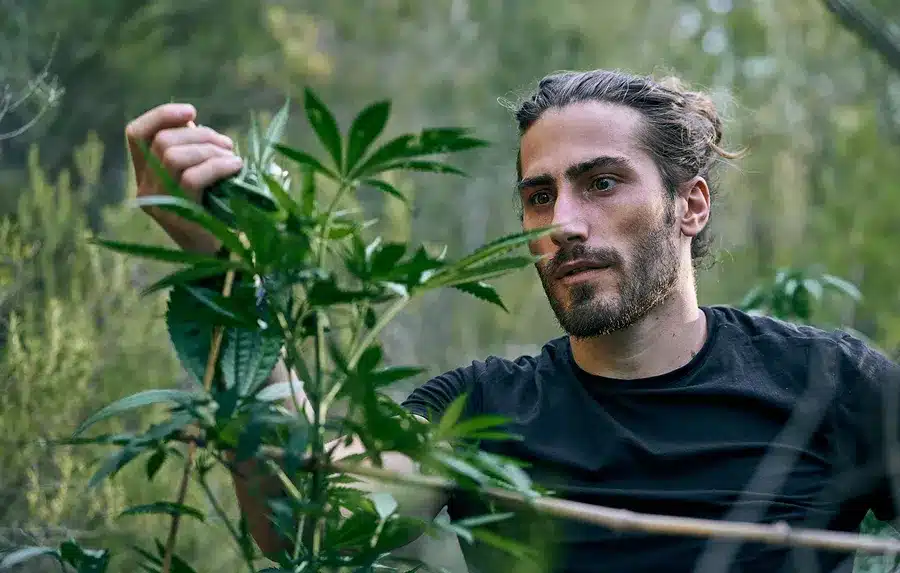
Marijuana acts as a psychoactive substance that directly alters perception and state of mind. It affects parts of the brain responsible for memory, attention, coordination, emotions, and reaction time. In some cases, cannabis introduces delusions and paranoia.

While cannabis tends to be less harmful than other substances, the potential for dependence is high. Many people who use marijuana form a dedicated habit around the substance and become tremendously distressed when they don’t have it. This constant desire may stop people from functioning normally and hinder them from achieving goals.

Our specialists have extensive experience assisting clients in moving beyond marijuana dependence and regaining control of their lives. We provide the structure and accountability necessary for lasting change.
Opiates are some of the most helpful drugs in modern medicine when used as prescribed. Common medical opiates include codeine, morphine, oxycodone, and fentanyl. However, there is a much darker side that includes dependence, addiction, and overdose.
When you take opiates, a tremendous amount of endorphins are introduced into the body, helping reduce pain. As you continue, it becomes easy to feel the medication no longer has the same effect. People begin taking more than prescribed, leading to tolerance and dependency.
When people build up tolerance, their bodies may no longer be capable of producing endorphins naturally. They need opioids to feel any happiness or joy. This consistent desire for opiates can be terrifying—physical cravings become so intense that people cannot stop using despite knowing the negative effects.
Fighting opiate withdrawal is highly challenging, and we always suggest not going through it alone. Our Austin rehab facility is dedicated to helping people find their way back into a life free from opioids.
Prescription drug abuse is almost always an unintentional result of actual need. The prescription medications most frequently misused are opioids, anti-anxiety medication, sedatives, and stimulants. It’s common for people to begin taking medication and, unless carefully managed, develop dependence.
Ceasing all use and detoxing is only the beginning. To break the addiction cycle, it’s important to understand underlying reasons for addiction. This is best achieved in a drug-free environment with trained staff providing guidance every step of the way.
Our comprehensive program addresses both the physical dependence and psychological aspects of prescription drug addiction. We help clients learn to live drug-free and set goals for every area of life.
Designer drugs, often known as synthetic drugs, are man-made substances with highs similar to illicit narcotics. Street names include Spice, K2, Bath Salts, Molly, MDMA, Flakka, and Meow Meow. The Office of National Drug Control Policy has designated synthetic drugs as a rapidly evolving threat.
Synthetic drugs are manufactured, and the chemicals used are constantly changing. This means effects can change and reactions are unstable. It's difficult to identify effects because contents are continually evolving.
The long-term danger inherent with synthetic drugs is severe. People sometimes develop lifelong psychological damage in a short amount of time. Recovery can include depression, panic attacks, and even suicidal ideation.
It's vital that anyone with an addiction to synthetic drugs gets professional help from a qualified addiction treatment center. Our experienced team understands the unique challenges of synthetic drug recovery.
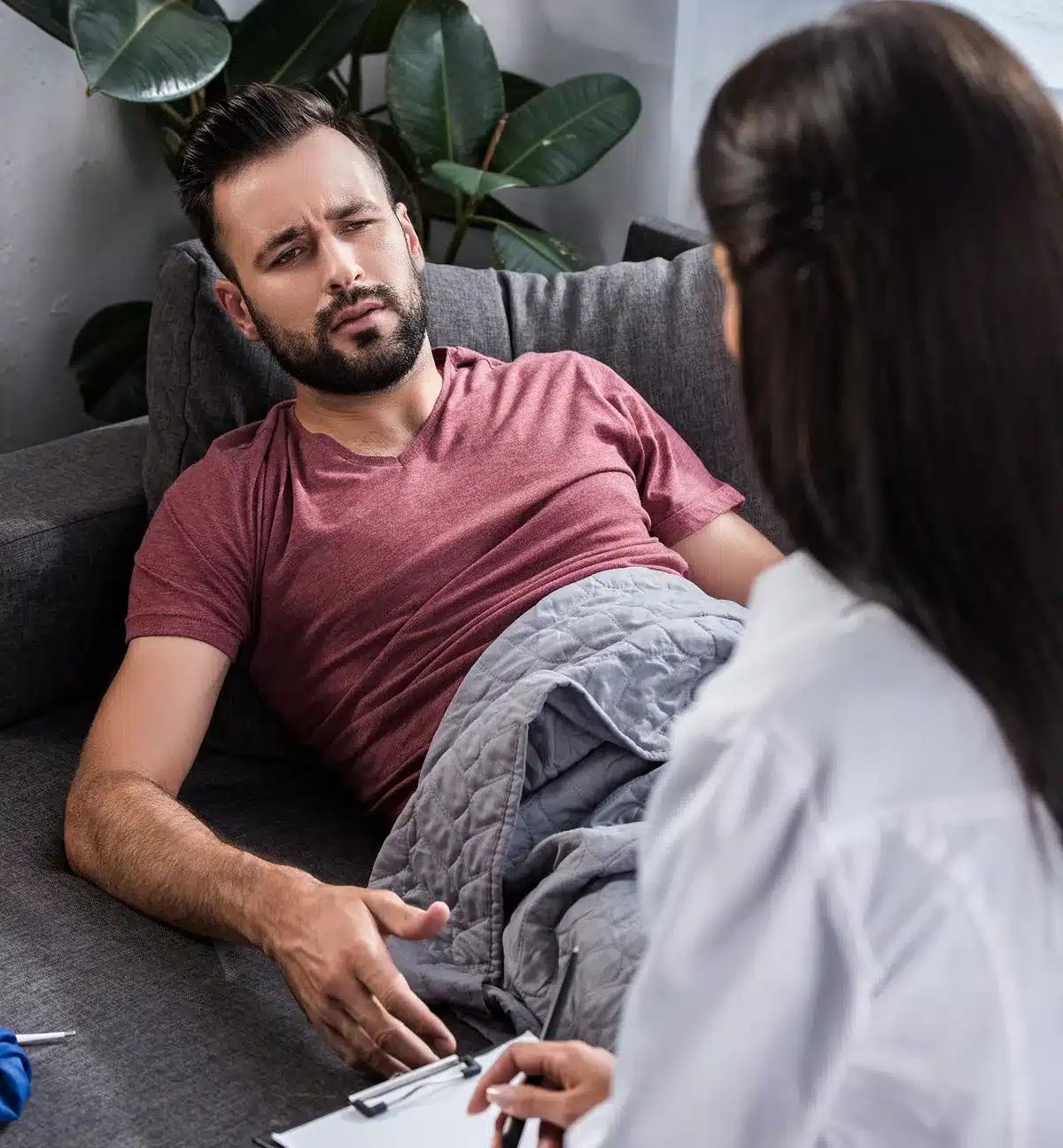
Gender-specific treatment creates space for authentic vulnerability and connection. Men work through issues specific to male experiences, build genuine brotherhood, and develop accountability within a community that understands their journey.
Our complete continuum of care provides the right level of support at each stage of recovery:
24/7 structured environment with intensive clinical care, multiple weekly therapy sessions, and complete immersion in recovery work.
Full-day programming Monday through Friday with high clinical intensity while transitioning to more independent living.
Flexible support for men returning to work or school while maintaining recovery momentum through weekly groups and individual therapy.
Flexible support for men returning to work or school while maintaining recovery momentum through weekly groups and individual therapy.
If you or a loved one is struggling with substance use, our admissions team is here to help. We’ll answer your questions, verify your insurance, and create a customized treatment plan based on your specific needs.