


Heartwood Recovery is a men-only drug rehab in Austin that starts with residential treatment and steps down through PHP, IOP, outpatient care, and transitional living, all within one program in South Austin. We cap our census at 18 clients, and every man gets 2–3 individual therapy sessions per week.
We’re in-network with most major insurers, and admissions is available 24/7. We’ll verify your benefits in minutes, with no obligation and no cost to you.
18
Client max census
2–3
Individual therapy sessions per week
3 acres
South Austin campus
24/7
Admissions, every day
Key Takeaways
- Who it’s for: adult men who need 24/7 structure to stop using drugs or alcohol, including men with co-occurring mental health concerns.
- What it is: live-in residential treatment on a 3-acre South Austin campus with an 18-client max census.
- What’s included: 2–3 individual therapy sessions per week (three times the industry standard), daily group therapy, family therapy, 12-step immersion, and a fitness program.
- What comes next: a planned step-down through PHP, IOP, outpatient care, transitional living, and our Alumni Program.
- Detox: we don’t provide medical detox onsite. If you need it, admissions coordinates it with an outside provider before you arrive.
- Joint Commission accredited
- LegitScript certified
- Men-only since 2017
- 18-client max census
- Admissions 24/7
Levels of Care in Our Men’s Drug Rehab Continuum
Residential treatment is the first step in our continuum. As you stabilize, you step down to less intensive care without switching providers, so your clinical team and the men you started with stay part of your recovery.
- Residential
- PHP
- IOP
- Outpatient
- Transitional Living
| Level of care | Setting | Typical schedule | Clinical focus | Best fit |
|---|---|---|---|---|
| Residential | Live-in on our South Austin campus | 24/7 structured support | Stabilization, individual and group therapy, 12-step immersion | Men in active use or early recovery who need full-time structure |
| PHP (Partial Hospitalization Program) | Day program, return home evenings | 6 hours a day, 5 days a week | Intensive group and individual therapy, medication management | Men stepping down from residential who no longer need 24/7 supervision |
| IOP (Intensive Outpatient Program) | Outpatient at our South Austin location | Monday, Wednesday, Friday, 9:00 AM to 12:00 PM | Process groups, relapse prevention, CBT and DBT skills | Men balancing work, school, or family with structured care |
| OP (Outpatient Program) | Outpatient visits | Weekly | Group therapy, individual counseling, relapse-prevention planning | Men in stable recovery who want ongoing clinical support |
| Transitional Living | Men’s sober living home | Live-in, typically 1 to 2 months | Peer accountability, life skills, community integration | Men building a bridge back to independent sober living |
Not sure which level of care fits?
Admissions can walk you through the options and check your benefits in the same call.
What We Treat and Who Our Drug Rehab Is For
Our residential drug rehab treats alcohol and drug addiction in adult men, including men with co-occurring mental health conditions. Treatment is built around accountability, brotherhood, and clinical depth in a men-only setting.
Substances we treat
Individual and group therapy, family work, and relapse-prevention planning for men whose drinking has taken over their lives.
Opioids, including fentanyl and heroin
Focused therapy for cravings and relapse risk, with medication-assisted treatment (MAT) considered when clinically indicated.
Prescription drugs and benzodiazepines
Structured therapy and relapse planning. Benzodiazepine withdrawal can be dangerous, so admissions screens for detox needs before you arrive.
Stimulants, including cocaine and amphetamines
Behavioral therapy and relapse prevention for high-risk use patterns.
Assessment and cognitive behavioral therapy (CBT) for use that’s getting in the way of your life.
Kratom and 7-OH (7-hydroxymitragynine)
Tailored therapy for an emerging and often misunderstood dependence.
Trauma-informed care for unpredictable, high-risk use.
Polysubstance use
One integrated plan when more than one substance is involved.
Who this is for
- Adult men who need residential structure, or a clear step-down path from residential to outpatient care.
- Men with co-occurring anxiety, depression, trauma, or bipolar symptoms in the mild-to-moderate range.
- Families looking for a men-specific program for a son, husband, partner, or brother.
About detox: We don’t provide medical detox onsite. If you need detox, our admissions team coordinates it with a trusted outside provider before residential treatment begins.
Dual Diagnosis Treatment for Co-Occurring Mental Health
We treat substance use and mental health together, because leaving one untreated keeps feeding the other. Our dual diagnosis care is built for substance use with mild-to-moderate co-occurring conditions.
Conditions we commonly treat alongside addiction
Anxiety
Where chronic worry can drive self-medicating.
Depression
Which can deepen substance use and drain motivation.
Trauma and PTSD
(post-traumatic stress disorder), where trauma triggers cravings and avoidance.
Bipolar disorder
Where mood cycling complicates sobriety and raises relapse risk.
How we coordinate care
- A mental health screening during intake, so co-occurring concerns shape your plan from day one.
- Medication management and psychiatric services under the oversight of our Medical Director, Carlos F. Tirado, MD, MPH, a psychiatrist who specializes in psychiatric and substance use disorders.
- Individual and group therapy overseen by our Clinical Director, Cori Choate, LCDC.
- Trauma work such as EMDR (Eye Movement Desensitization and Reprocessing) and trauma-focused CBT, when clinically appropriate.
When someone needs a higher level of psychiatric care than we provide, such as active psychosis or acute suicidality requiring an inpatient hold, we’ll say so directly and help connect them to the right resource.
Explore Dual Diagnosis
Therapies Used in Our Residential Drug Rehab
Your plan combines evidence-based therapy with 12-step immersion, and your team adjusts it as you progress. Here’s what a typical plan draws from:
2–3 one-on-one sessions per week with your primary clinician.
Cognitive Behavioral Therapy (CBT)
Identifies and changes the thought patterns and behaviors that drive use.
Dialectical Behavior Therapy (DBT)
Builds emotional regulation and distress tolerance.
Motivational interviewing
Strengthens your own reasons for change.
EMDR
Trauma processing when clinically indicated.
Medication-assisted treatment (MAT)
Considered when clinically indicated and integrated with counseling.
Daily process and educational groups for peer support and skill practice.
Education and repair work for the people closest to you.
Step work, sponsorship, and regular attendance at local meetings.
Structured physical activity to rebuild health, routine, and mood.
What to Expect: Admissions and Your First Week
Admission starts with one call. We verify your benefits, screen for detox needs, and schedule your arrival, then your first week sets the plan for the rest of treatment.
- Call and benefits checkFirst call
A short phone screen, plus a free benefits verification with no obligation - Detox coordination (if needed)Before admission
Admissions arranges medically supervised detox with an outside provider - Arrival and intake assessmentAdmission day
A clinical staff member reviews your medical history, substance use, and mental health - Medical evaluationAdmission day
Our medical team checks your health, withdrawal risk, and medication needs - Meet your treatment team and settle inAdmission day
You meet your primary therapist, get your room, and have dinner with the other men - First-week clinical reviewEnd of week one
Your team reviews progress, adjusts your plan, and starts step-down planning
Before you arrive
Admissions confirms your arrival window and helps you plan what to bring. The What to Expect page has the full packing list, including what to leave at home.
Your first day
You’ll be greeted by our admissions or clinical staff, not a receptionist reading from a script. After intake and a medical evaluation, all belongings are checked in, and you’ll meet the clinicians involved in your care.
Your first week
Your primary clinician builds a treatment plan around your goals, risks, and level of care. At the end of week one, your team reviews your progress and begins planning the next step, whether that’s PHP, IOP, or transitional living.
Next Steps
Insurance and Paying for Drug Rehab in Austin
Most private insurance plans can help cover residential drug rehab, and we’re in-network with most major insurers. A free verification of benefits tells you what your plan covers before you commit to anything.
Plans we work with
- Blue Cross Blue Shield
- Aetna
- Cigna
- Ambetter
- Beacon
- MultiPlan
Your exact coverage depends on your employer plan and policy, so verification comes first.
Why we verify first
A verification of benefits confirms which levels of care your plan covers and what your share of the cost may look like. We can’t quote coverage amounts before that check, and a verification isn’t a guarantee of payment.
Final coverage depends on your plan and any required prior authorization, and our team works with your insurer on the documentation residential care requires.
Our South Austin Drug Rehab Location
Heartwood Recovery is at 6404 Ridge Oak Rd, Austin, TX 78749, just south of downtown Austin. Our 3-acre campus gives men room to step away from the noise of active addiction and focus on recovery.
Address
6404 Ridge Oak Rd, Austin, TX 78749
Phone
737-279-7505 (admissions, 24/7)
Hours
Open 24 hours
Areas served
Austin and the surrounding metro, including Round Rock, Cedar Park, Georgetown, Leander, and Pflugerville
Why Men Choose Heartwood Recovery for Drug Rehab in Austin
Men choose us for the combination of a men-only setting, a small census, and more one-on-one therapy than most programs offer. Placement always depends on your clinical assessment and benefits verification.
Men-only care and brotherhood
You recover among men working toward the same goal, which builds honest accountability and real peer support.
Boutique scale
With an 18-client max census on a 3-acre South Austin campus, our staff know you by name and adjust your care quickly.
More individual therapy
You get 2–3 individual therapy sessions per week, three times the industry standard, so your clinician catches problems early and keeps your plan current.
A full continuum under one roof
You can move from residential to PHP, IOP, outpatient care, and transitional living without changing providers, then stay connected through our Alumni Program.
Accredited, clinically led care
We’re Joint Commission accredited and LegitScript certified, with named clinical and medical leadership overseeing treatment.
Meet the Team
Support for Families
When a man goes to residential treatment, his family gets room to breathe and start its own healing. Family therapy is part of treatment here, so the people closest to you learn what recovery requires and how to support it.
Staying Connected After Treatment
Recovery doesn’t end at discharge. Our Alumni Program keeps men connected to the Heartwood community and to each other after they complete treatment.
Frequently Asked Questions About Drug Rehab in Austin
How much does drug rehab cost in Austin?
Cost depends on the level of care, your length of stay, and your insurance plan. Most private insurance plans cover part of residential treatment, and we’re in-network with most major insurers. A free verification of benefits is the fastest way to find out what your plan covers.
Is rehab free in Texas?
Texas offers state-funded treatment through the Texas Health and Human Services Commission (HHSC) for people who qualify, though access and wait times vary. Private programs like Heartwood work with insurance, so we recommend running a benefits check first.
How long is residential drug rehab?
Residential stays commonly run 30 to 90 days. Stepping down through PHP, IOP, and outpatient care often extends the full continuum over several months, and your clinical team sets your length of stay based on progress and safety.
Does Heartwood provide medical detox?
No. We don’t offer medical detox onsite. If you need it, our admissions team coordinates medically supervised detox with an outside provider before you begin residential treatment.
Is Heartwood only for men?
Yes. Heartwood Recovery treats adult men only, at every level of care from residential through transitional living.
How many individual therapy sessions will I get?
Residential clients receive 2–3 individual therapy sessions per week, three times the industry standard, alongside daily group therapy.
Can you treat addiction and mental health at the same time?
Yes. We treat substance use with mild-to-moderate co-occurring conditions such as anxiety, depression, trauma, and bipolar disorder. If you need a higher level of psychiatric care, we’ll tell you and help you find the right resource.
Can my family be involved in treatment?
Yes. Family therapy is part of our program, and admissions can answer questions from family members at any hour.
Start Drug Rehab at Heartwood Recovery
If you don’t like how things are, make a change. Call admissions any time, or verify your insurance online in minutes, with no obligation and no cost to you.
Medical Review
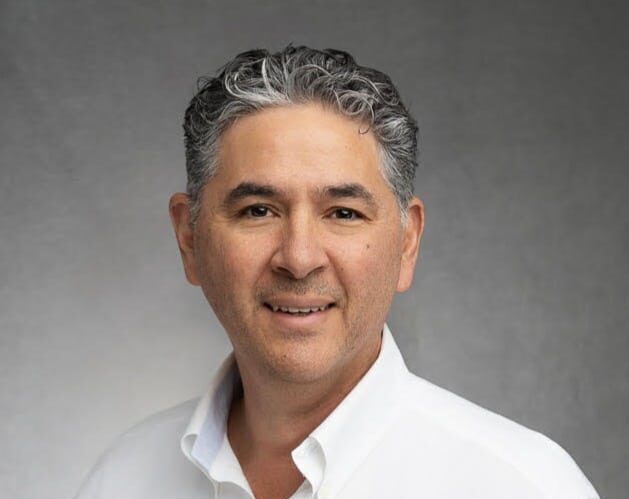
Medically reviewed by Carlos F. Tirado, MD, MPH, Medical Director. Dr. Tirado is a psychiatrist specializing in psychiatric and substance use disorders. View profile
This content is for informational purposes only and is not a substitute for professional medical advice, diagnosis, or treatment. Always consult a qualified healthcare provider about your situation. If you’re in crisis, call or text 988 (Suicide & Crisis Lifeline).