

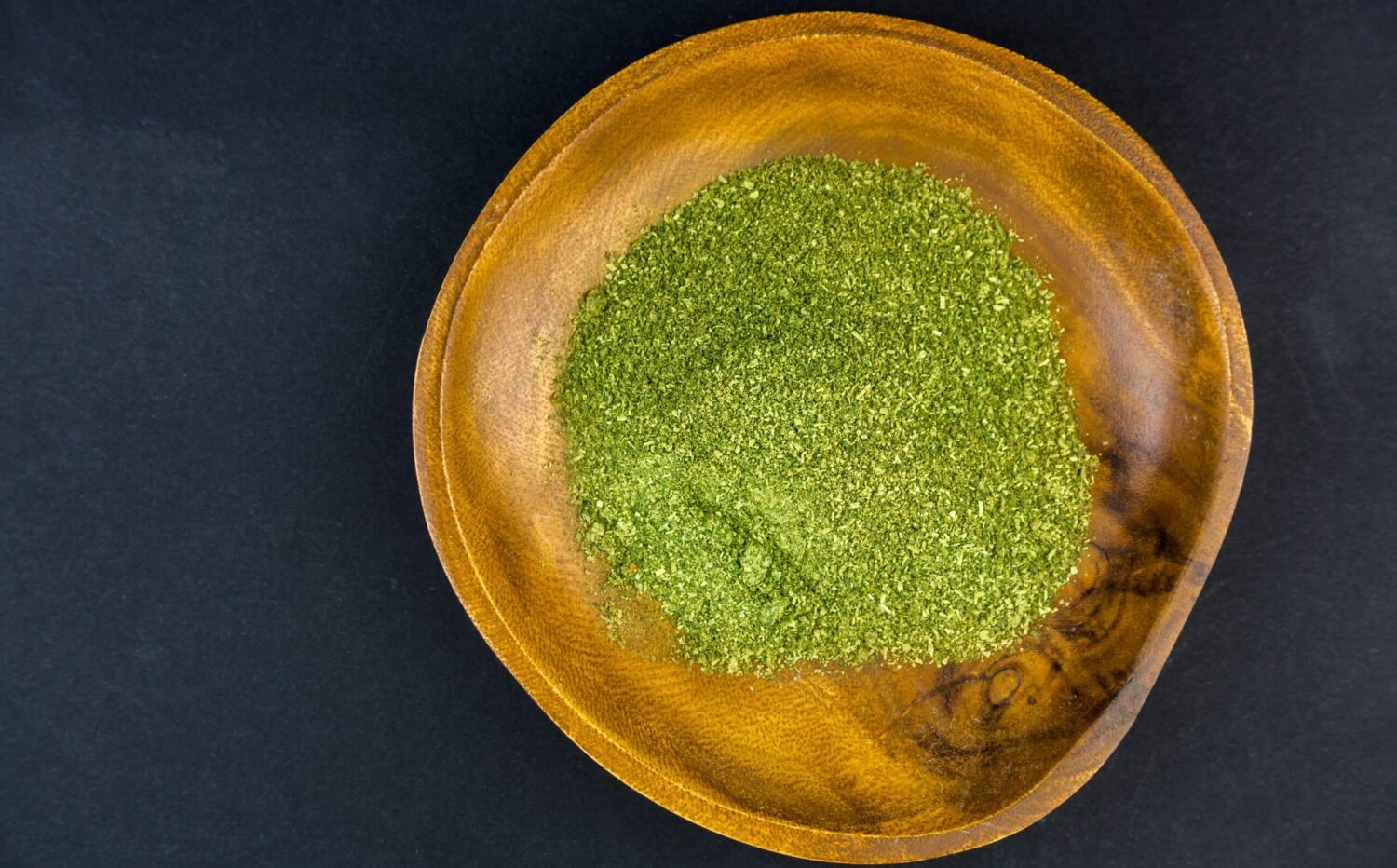
Many men don’t expect kratom to become something they need treatment for. It’s sold openly in smoke shops, gas stations, and online, and it’s often used to ease pain, boost energy, manage stress, or get through opioid withdrawal.
But when kratom — or a stronger 7-OH product — starts to feel like something you need just to feel steady, that can be a sign of dependence. This is especially true if you’ve tried to cut back and found the cravings or withdrawal too hard to push through.
For some men, daily use becomes tied to anxiety, low mood, poor sleep, or trouble functioning without it. Newer concentrated 7-OH products can deepen this quickly, because they act on the same brain receptors as opioids.
At Heartwood Recovery, our men’s program in Austin focuses on the real issues beneath kratom and 7-OH use. With structured therapy, accountability, and a supportive environment, you can rebuild clarity and stability — and you don’t have to do it alone.
Kratom comes from the leaves of Mitragyna speciosa, a tree native to Southeast Asia. At lower doses it can act like a stimulant, while higher doses can produce opioid-like effects.
Its main active compound, mitragynine, binds to the brain’s mu-opioid receptors. 7-OH (7-hydroxymitragynine) is a related compound that is much more potent at those same receptors — the FDA has described it as more potent than morphine.

7-OH occurs only in tiny amounts in natural kratom leaves. Most 7-OH sold today is concentrated or semi-synthetic, made by altering mitragynine, and it appears as tablets, shots, and gummies. These fast-acting products can wear off quickly, which may push a person toward frequent redosing.
Over time, regular use can lead to tolerance, cravings, and opioid-like withdrawal. Effects reported with concentrated 7-OH include anxiety, depression, stomach problems, and, at high doses, slowed breathing. In July 2025, the FDA recommended that 7-OH be scheduled as a controlled substance.
Because kratom and 7-OH act on opioid receptors, stopping suddenly can bring on withdrawal that feels hard to manage alone. That discomfort is one of the main reasons people return to use, even when they genuinely want to stop.
Treatment can make that first stretch safer and more manageable, and then address the reasons the use started in the first place. The specialists at our Austin facility have experience helping men move past opioid-type dependence and regain control of their daily lives.
Recovery from kratom or 7-OH often looks similar to recovery from other opioids, and a structured, supportive setting can make a meaningful difference.

At Heartwood Recovery, we provide:

Most kratom and 7-OH addiction treatment is covered by private insurance. We are in-network with Aetna, Blue Cross Blue Shield, Cigna, Ambetter, Moda, Curative, Multiplan and BSW Health. We also work with out-of-network benefits.
If kratom or 7-OH is affecting your health, work, or relationships, support is available. Our admissions team can talk through your options with no pressure.
We use cookies to improve your experience on our site. By using our site, you consent to cookies.
Manage your cookie preferences below:
Essential cookies enable basic functions and are necessary for the proper function of the website.
Statistics cookies collect information anonymously. This information helps us understand how visitors use our website.
Clarity is a web analytics service that tracks and reports website traffic.
Service URL: clarity.microsoft.com (opens in a new window)
Google Analytics is a powerful tool that tracks and analyzes website traffic for informed marketing decisions.
Service URL: policies.google.com (opens in a new window)
Google reCAPTCHA helps protect websites from spam and abuse by verifying user interactions through challenges.
Marketing cookies are used to follow visitors to websites. The intention is to show ads that are relevant and engaging to the individual user.
CallRail is a call tracking and analytics service. Its script swaps the phone numbers shown on a page and stores the visitor's referrer, landing page and session ID, so phone calls and form submissions can be attributed to the marketing source that brought the visitor to the site.
Service URL: www.callrail.com (opens in a new window)