
Heartwood Recovery's men's sober living is a structured, men-only transitional living home in Austin for men stepping down from residential treatment. Residents live in a small, supervised house with a live-in property manager while they continue full-day clinical care in our Partial Hospitalization Program (PHP).
We'll verify your benefits in minutes, with no obligation and no cost to you.
8
Resident max in the house
1–2 mo
Typical length of stay
PHP
Clinical care during your stay
24/7
Admissions, every day
Key Takeaways
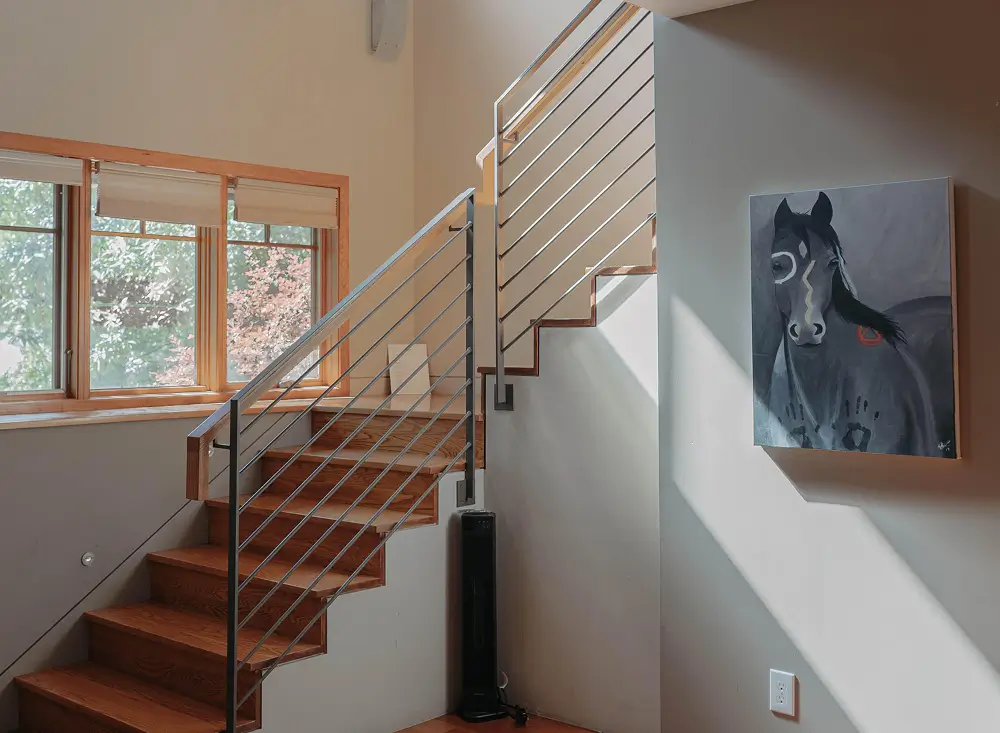
Men’s sober living at Heartwood is supervised, substance-free housing built into our treatment continuum. Residents live together, follow clear house rules and attend clinical programming during the day.
Sober living and transitional living are often used interchangeably. We call ours transitional living because the house is tied to your clinical plan instead of sitting apart from it, which is the main difference from a standalone sober house.
It’s the bridge between residential rehab and independent life. You get more freedom than inpatient care, with the accountability, peer support and clinical team still close by.
About detox: Sober living isn't medical care, and Heartwood doesn't provide onsite medical detox. When detox is needed, our admissions team coordinates it with an outside provider.
Transitional living sits right after residential treatment. You move into the house while you complete PHP, then keep stepping down with the same team.
| Stage | Setting | Typical schedule | Focus |
|---|---|---|---|
| Residential | Live-in on our South Austin campus | 24/7 structured support | Stabilization, individual and group therapy, 12-step immersion |
| PHP + Transitional Living | Day program, live in the sober living home | PHP 6 hours a day, 5 days a week; live-in, typically 1 to 2 months | Intensive therapy plus peer accountability, life skills and community integration |
| IOP | Outpatient at our South Austin location | Monday, Wednesday, Friday, 9:00 AM to 12:00 PM | Process groups, relapse prevention, CBT and DBT skills |
| OP | Outpatient visits | Weekly | Group therapy, individual counseling, relapse-prevention planning |
You've finished residential treatment or are in PHP and have initial sobriety, but you aren't ready for fully independent living yet.
You get more freedom and responsibility than residential treatment, without navigating early recovery alone.
Many residents work or attend school. The home's Austin location keeps jobs, classes and meetings within reach.
Isolation is dangerous in early recovery. The house gives you men who understand the struggle, celebrate progress and call you on it when needed.
A good fit if you
Not sure whether you or a loved one is a fit? Admissions can talk it through with you at any hour.
Everything in the house is built around accountability and routine, with your clinical team still close by.
The home holds a maximum of 8 residents. In a house that size, staff and peers notice when something's off, and nobody gets lost in a crowd.
Set wake times, a curfew, house meetings and scheduled activities build routines that hold up after you leave.
Random testing keeps the house safe and catches problems early, so the team can adjust support before a slip turns into something bigger.
Men hold each other accountable, and more experienced residents mentor newer arrivals. You learn to ask for help and to offer it.
Residents actively work a program, keep a sponsor and attend regular meetings, so the work started in treatment carries into daily life.
Residents join our alumni network, with meetings, service opportunities and social events alongside men who've walked the same path.
Our transitional living home has a live-in property manager who provides on-site support, runs house meetings, manages accountability including drug testing and helps with whatever comes up in early recovery.
He has lived experience in recovery and understands what men face during this transition, so the guidance is practical: perspective, mentorship and help working through early sobriety.
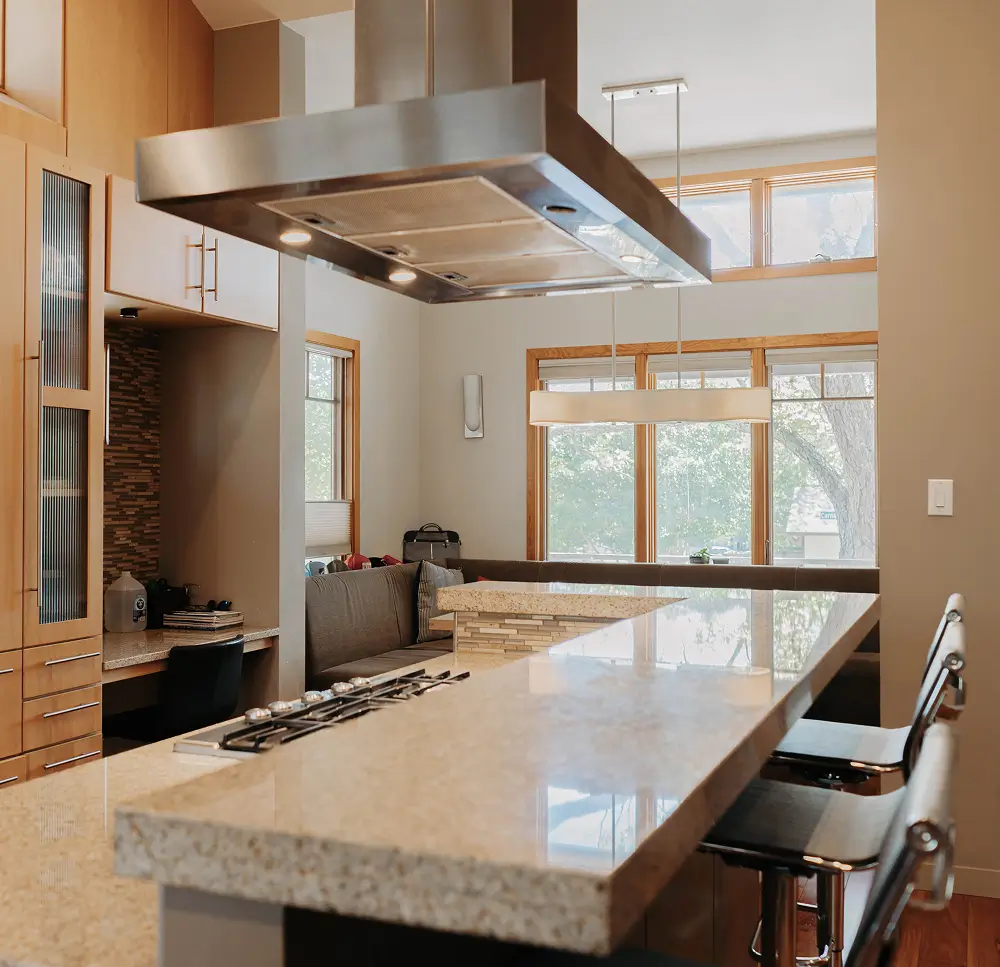
Every room is furnished, so you can move in and focus on recovery:
Moving into sober living doesn't mean leaving your care team. Residents attend our Partial Hospitalization Program while they live in the house, so the clinicians who know your history keep guiding your plan.
PHP during your stay
Full-day group and individual therapy continues while you live in the house.
Clinical leadership
Treatment plans are directed by Cori Choate, LCDC, our Clinical Director.
Psychiatric care
Medication management and psychiatric services are overseen by Carlos F. Tirado, MD, MPH, our Medical Director.
Co-occurring conditions
We treat mild-to-moderate co-occurring mental health conditions alongside substance use.
As you stabilize, your team plans each next step down, from IOP to outpatient care to our alumni community.
Admissions can walk you through the options and check your benefits for PHP in the same call.
The weeks right after residential treatment are one of the most vulnerable stretches of recovery. Going straight from round-the-clock structure to full independence leaves a lot of room for old patterns to come back.
Recovery keeps its momentum
Moving into transitional living while you complete PHP keeps the structure going, instead of leaving treatment too quickly.
Relapse prevention in practice
The move from treatment back to real life is one of the highest-risk periods for relapse. Living with other men in recovery means someone notices when you're struggling.
Real-life skill building
You practice managing money, holding a job, handling roommate conflicts and asking for help, in a place where mistakes turn into lessons.
A bridge to independence
Before you leave, our team helps you build a concrete plan with backup options, so you don't step out into uncertainty.
We can't promise a result, but we can make sure you take this step with structure, a clinical team and men who've been where you are.
Sober living housing is private pay and isn't typically covered by insurance. The clinical care residents attend, such as PHP, may be covered depending on your plan.
Rent is billed monthly from your move-in date. We don't publish rates on this page, and our admissions team explains all costs upfront before you move in.
We're in-network at every level of care with these plans:
Blue Cross Blue Shield and Cigna are in-network for Texas plans and plans without out-of-state restrictions. Coverage still varies by plan, so verification comes first.
A verification of benefits confirms what your plan covers for clinical care like PHP. We'll verify your benefits in minutes, with no obligation and no cost to you.
Every level of care, from residential treatment through transitional living, is built for men. The brotherhood you build in treatment comes with you into the house.
Our residential program caps census at 20 clients, and our sober living home holds no more than 8 residents.
In residential treatment, every man gets 2–3 individual therapy sessions per week, three times the industry standard.
Residential, PHP, IOP, OP, transitional living and alumni support run under one roof, so you don't start over with strangers at each step.
Heartwood Recovery is Joint Commission accredited (ID 687566), licensed by the Texas Health and Human Services Commission (License 4824-4825) and LegitScript certified. We've served men in Austin since 2017.
Residents become part of our alumni network, with alumni meetings, service opportunities and social events alongside men who've walked the same path.
Our men's sober living home is in Austin, about 10 minutes from our South Austin residential campus, where admissions and clinical care are based.
Campus address
6404 Ridge Oak Rd, Austin, TX 78749
Phone
737-279-7505 (admissions, 24/7)
Hours
Admissions open 24 hours
Areas served
Austin and the surrounding metro, including Round Rock, Cedar Park, Georgetown, Leander and Pflugerville
Sober living usually means a privately run, peer-supported home without clinical programming. Transitional living at Heartwood is supervised recovery housing tied to a clinical continuum. Residents attend PHP, live with a live-in property manager and stay connected to the full Heartwood care team.
Stays typically last 1 to 2 months, depending on each man's progress, clinical recommendations and circumstances. Before discharge, our team helps plan the next step, whether that's independent sober living, returning home or other housing.
Our transitional living home is designed as a step-down from residential treatment, and men finishing Heartwood's residential program are strongly encouraged to continue into it. If you completed treatment elsewhere, call admissions to find out whether you qualify.
In most cases, insurance doesn't cover sober living housing itself. The clinical care that runs alongside it, such as PHP, may be covered depending on your plan. Verify your insurance online or call admissions 24/7 to check your benefits.
No. Our transitional living home is men-only recovery housing connected to clinical treatment at Heartwood. It isn't a court-ordered or corrections-based halfway house.
Residents maintain full sobriety, take random drug and alcohol tests, attend required house meetings and keep curfew. They also work a 12-step program with a sponsor, attend recovery meetings, participate in PHP and follow the house guidelines set by the property manager.
No. Heartwood doesn't provide onsite medical detox. When detox is needed, admissions coordinates with a licensed outside provider so your care continues safely.
Texas offers state-funded treatment through the Texas Health and Human Services Commission (HHSC) for people who qualify, though access and wait times vary. If you have private insurance, verifying your benefits is the fastest way to see what your plan covers for clinical care.
If residential treatment is ending and you're not ready to go home alone, sober living gives you time, structure and brothers in recovery. Call us and we'll help you decide whether it fits.

Clinically reviewed by Cori Choate, LCDC, Clinical Director. Cori Choate guides individualized treatment plans across Heartwood's continuum of care. View profile
Last reviewed October 2026.
The information on this page is educational and isn't a substitute for professional medical advice, diagnosis or treatment. Always consult a qualified healthcare provider about your specific situation. If you're in crisis, call or text 988 (Suicide & Crisis Lifeline).
We use cookies to improve your experience on our site. By using our site, you consent to cookies.
Manage your cookie preferences below:
Essential cookies enable basic functions and are necessary for the proper function of the website.
Statistics cookies collect information anonymously. This information helps us understand how visitors use our website.
Clarity is a web analytics service that tracks and reports website traffic.
Service URL: clarity.microsoft.com (opens in a new window)
Google Analytics is a powerful tool that tracks and analyzes website traffic for informed marketing decisions.
Service URL: policies.google.com (opens in a new window)
Google reCAPTCHA helps protect websites from spam and abuse by verifying user interactions through challenges.
Marketing cookies are used to follow visitors to websites. The intention is to show ads that are relevant and engaging to the individual user.
CallRail is a call tracking and analytics service. Its script swaps the phone numbers shown on a page and stores the visitor's referrer, landing page and session ID, so phone calls and form submissions can be attributed to the marketing source that brought the visitor to the site.
Service URL: www.callrail.com (opens in a new window)
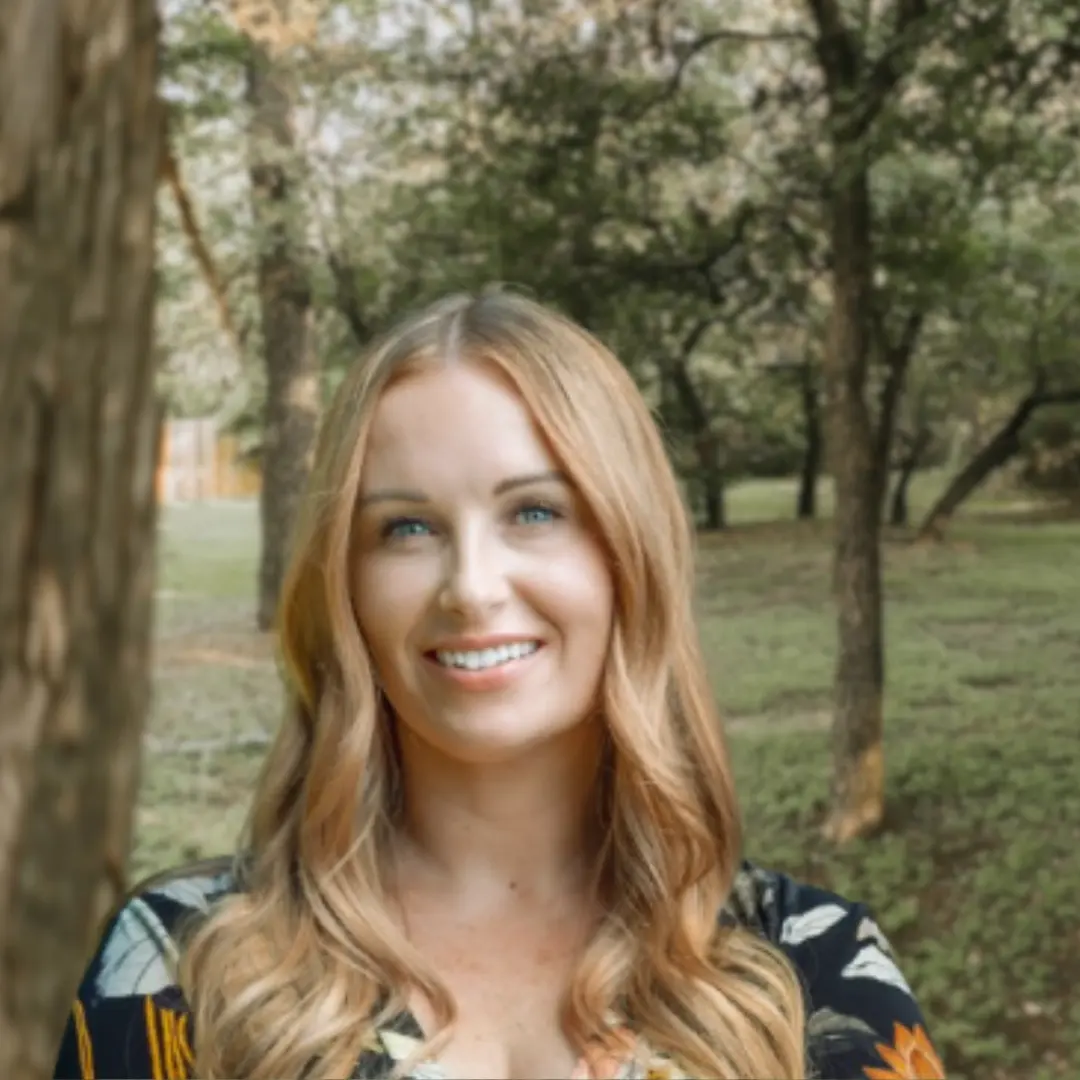
With over 19 years in behavioral healthcare, Megan has led admissions, operations, compliance, and HR for adolescent and adult programs. She holds a Diploma in Alcohol and Drug Counseling Studies and graduated with honors from Chapman University with a BA in Communication Studies. Megan is a member of Lambda Pi Eta and a SHRM Certified Professional. She has developed multiple treatment start-ups and assisted existing facilities with strategic expansion, achieving licensure, certification, and accreditation.