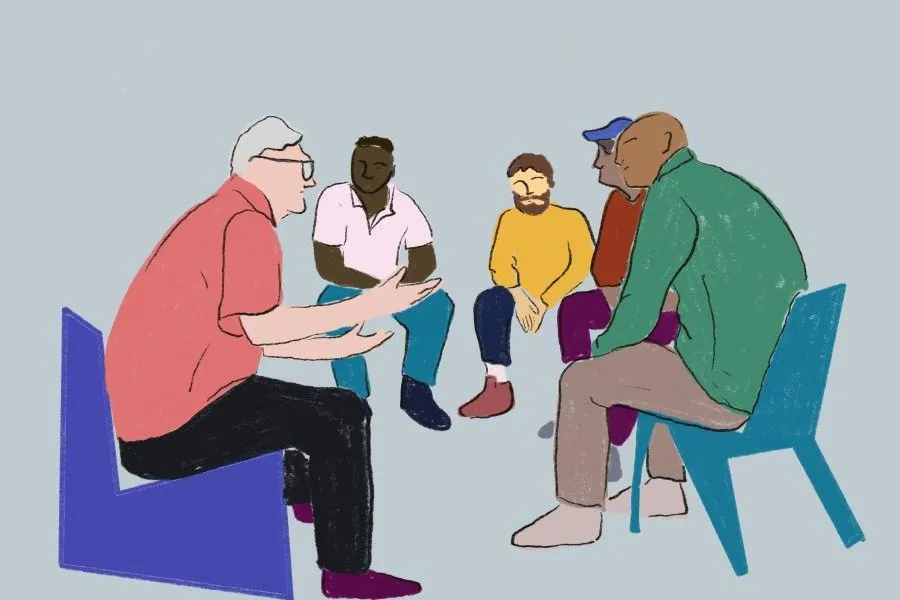
When someone you love is struggling with substance abuse, watching them spiral deeper into addiction can be heartbreaking and frustrating. Many families in Texas wonder if they have the legal right to force a loved one into treatment when they refuse help on their own. The answer is complex and depends on specific circumstances outlined in Texas law.
Understanding Texas Involuntary Commitment Laws
Yes, you can force someone into rehab in Texas, but only under specific legal circumstances. Texas has provisions for involuntary commitment to substance abuse treatment through a court-ordered process, though the requirements are stringent and the bar is high.
When Can Someone Be Involuntarily Committed in Texas?
According to the Texas Health and Safety Code, Chapter 462, a person can be court-ordered into treatment if they meet the following criteria:
- They are chemically dependent on alcohol or a controlled substance
- Their chemical dependency has resulted in a substantial threat of serious harm to themselves or others
- The person is unable or unwilling to voluntarily seek treatment
The key phrase here is “substantial threat of serious harm.” This is a high legal threshold that requires clear evidence, not just concern from family members.
The Legal Process for Involuntary Commitment
If you believe your loved one meets the criteria for involuntary commitment, here’s how the process typically works in Texas:
Step 1: Filing an Application
Any interested person can file an application for court-ordered treatment with the probate court or county court in the county where the person resides. This application must include:
- Detailed information about the person’s chemical dependency
- Specific examples of how their addiction poses a substantial threat of harm
- Evidence that voluntary treatment has been refused or is unlikely to be successful
Step 2: Preliminary Examination
Once the application is filed, the court will order a preliminary examination by a physician or licensed mental health professional. This examination determines whether the person meets the legal criteria for involuntary commitment.
Step 3: Court Hearing
If the examiner’s report supports the application, a formal hearing is scheduled. At this hearing:
- The person has the right to legal representation
- Evidence must be presented demonstrating the need for involuntary treatment
- The person can contest the commitment
- The court makes a final determination
Step 4: Treatment Order
If the court finds that the person meets all criteria, it can order treatment for up to 90 days initially, with the possibility of extension up to 180 days total.
The Reality of Involuntary Commitment
While involuntary commitment is legally possible in Texas, it’s important to understand some practical realities:
It’s Rarely the Best Path to Recovery
Research from the National Institute on Drug Abuse (NIDA) shows that while treatment can be effective even when it’s not voluntary initially, long-term recovery is most successful when the person has some level of internal motivation.
Men facing addiction often delay seeking help due to stigma, denial, or fear. Creating an environment where they feel supported rather than coerced can lead to better outcomes.
The Process Is Time-Consuming and Costly
The legal process for involuntary commitment can take weeks or even months, during which time your loved one’s condition may worsen. Legal fees, court costs, and the process itself can be expensive and emotionally draining for families.
Treatment Facilities Must Be Willing to Accept
Not all addiction treatment centers in Austin accept court-ordered patients. Many programs, including specialized men’s residential treatment facilities, prefer voluntary admissions because they lead to better engagement and outcomes.
Alternatives to Involuntary Commitment
Before pursuing the legal route, consider these alternatives that often prove more effective:
Professional Intervention
A professionally guided intervention can be a powerful tool for helping someone recognize they need treatment. Unlike the confrontational interventions sometimes portrayed on television, modern intervention techniques focus on expressing love and concern while presenting treatment as an option rather than an ultimatum.
Key elements of an effective intervention include:
- Involving a trained interventionist who understands addiction
- Preparing specific examples of how addiction has affected the person and family
- Having a treatment plan already in place
- Setting clear boundaries and consequences if treatment is refused
- Maintaining a tone of love and support rather than judgment
Leveraging Natural Consequences
Sometimes, allowing natural consequences to occur (while ensuring safety) can motivate someone to seek help. This might include:
- Not bailing them out of legal troubles
- Refusing to provide financial support that enables addiction
- Setting firm boundaries about behavior in your home
- Letting them experience the full weight of their choices
This doesn’t mean abandoning your loved one—it means allowing them to feel the discomfort that may motivate change while making it clear that help is available when they’re ready.
Using Insurance and Healthcare Leverage
If your loved one has health insurance, working with their healthcare providers can sometimes create a path to treatment. Many insurance companies now cover substance abuse treatment under the Affordable Care Act, and doctors can often recommend treatment in ways that feel less coercive.
Understanding Different Substances and Their Risks
The urgency and approach to getting help can vary depending on the substance involved. Understanding these differences can help you make informed decisions:
Alcohol Addiction
Alcohol addiction can be particularly dangerous due to the severity of withdrawal symptoms, including potentially life-threatening delirium tremens (DTs). If your loved one is drinking heavily, medical supervision during detox is essential, whether treatment is voluntary or not.
Opioid Addiction
With the ongoing opioid crisis, families are increasingly desperate for solutions. Fentanyl and other synthetic opioids have made heroin addiction more deadly than ever. In these cases, the “substantial threat of harm” criterion for involuntary commitment may be easier to demonstrate.
Stimulant Addiction
Cocaine and amphetamine addiction often lead to erratic behavior and mental health crises. If your loved one is experiencing psychosis or severe paranoia due to stimulant use, emergency psychiatric intervention may be a faster route than the court-ordered treatment process.
Benzodiazepine Addiction
Benzodiazepine dependence requires special consideration because withdrawal can be dangerous. Even if someone agrees to treatment, they need medical supervision during detox.
When Immediate Action Is Necessary
There are situations where you cannot wait for the court-ordered treatment process:
Psychiatric Emergency Detention
Under Texas Health and Safety Code Chapter 573, if someone poses an immediate danger to themselves or others due to mental illness (which can be exacerbated by substance use), they can be taken to a mental health facility for emergency evaluation. This is a separate process from court-ordered addiction treatment but may be necessary if your loved one is:
- Threatening suicide
- Threatening violence toward others
- Experiencing severe psychosis from drug use
- Unable to care for their basic needs
Contact 911 or your local mental health authority for assistance in these situations.
Medical Emergency
If someone is overdosing or experiencing severe medical complications from substance use, call 911 immediately. Texas has Good Samaritan laws that provide some legal protections for people seeking emergency medical help for overdose victims.
The Role of Family in Recovery
Whether treatment is voluntary or involuntary, family involvement plays a crucial role in recovery outcomes. Research from the Substance Abuse and Mental Health Services Administration (SAMHSA) consistently shows that family support improves treatment retention and long-term sobriety.
Family Therapy and Support
Quality treatment programs offer family therapy for addiction treatment, which helps:
- Family members understand addiction as a disease
- Everyone heal from the trauma that addiction causes
- The family develop healthier communication patterns
- Create a supportive environment for sustained recovery
Preparing for Your Loved One’s Return
Whether someone enters treatment voluntarily or through court order, planning for their return home is essential. This includes:
- Understanding the importance of transitional living or sober housing
- Connecting with alumni programs for ongoing support
- Establishing clear household rules and expectations
- Identifying local support resources like 12-step meetings
What Makes Treatment Effective?
Understanding what actually works in addiction treatment can help you make better decisions about pursuing involuntary commitment versus other options.
Evidence-Based Treatment Approaches
According to the National Institute on Drug Abuse, effective treatment should include:
- Comprehensive assessment and treatment planning tailored to individual needs
- Adequate duration – treatment should last at least 90 days for most people
- Multiple therapeutic approaches including individual therapy, group therapy, and family involvement
- Co-occurring mental health treatment addressing depression, PTSD, and other mental health conditions
- Medication when appropriate for managing withdrawal and cravings
- Holistic approaches including fitness programs and nutritional support
- Continuing care planning with step-down services like PHP programs
The Importance of Gender-Specific Treatment
Research shows that men face unique challenges in recovery. Gender-specific treatment programs can address:
- Societal expectations around masculinity that prevent men from seeking help
- Different patterns of substance use and co-occurring conditions
- The need for male peer support and accountability
- Issues around anger management and emotional expression
At Heartwood Recovery, our men-only program creates an environment where men can be vulnerable, build genuine connections with peers, and address the root causes of their addiction without the distractions present in co-ed facilities.
Making the Decision: Is Legal Action Right for Your Situation?
Before pursuing involuntary commitment, ask yourself these questions:
1. Have All Voluntary Options Been Exhausted?
- Has a professional intervention been attempted?
- Have you clearly communicated the consequences of continued use?
- Has your loved one been offered treatment and refused?
2. Is There Evidence of Imminent Danger?
- Has there been a recent overdose or near-death experience?
- Is your loved one engaging in life-threatening behaviors?
- Are others at risk due to their actions while under the influence?
3. Do You Have the Resources?
- Can you afford the legal costs of pursuing court-ordered treatment?
- Do you have the time to navigate the legal process?
- Have you identified a facility willing to accept court-ordered patients?
4. What Are the Potential Consequences?
- Could legal action damage your relationship beyond repair?
- Might the process take so long that the opportunity for treatment passes?
- Could forcing treatment make your loved one more resistant to future help?
A Better Approach: Creating Conditions for Voluntary Treatment
In our experience working with men and their families at Heartwood Recovery, we’ve found that creating the right conditions often leads to voluntary treatment decisions, even when someone initially resists.
Key Strategies That Work
Set Clear, Consistent Boundaries
People struggling with addiction often rely on enabling relationships. When families set and maintain firm boundaries—not out of punishment, but out of love—it removes the safety net that allows addiction to continue. This might mean:
- No longer providing money
- Requiring drug testing to maintain certain privileges
- Making continued housing contingent on treatment
- Refusing to make excuses or cover up for addiction-related problems
Present Treatment as the Path to Getting Wants Met
Rather than framing treatment as something being done to them, help your loved one see it as the path toward what they want:
- Repairing important relationships
- Regaining custody of children
- Avoiding legal consequences
- Returning to work or school
- Feeling physically and mentally better
Time the Conversation Right
Starting the conversation about recovery is most effective when someone is experiencing natural consequences of their use—after a DUI, following a medical crisis, or during a period of clarity. Keep your message simple and focused on love rather than anger.
Make the Logistics Easy
When someone agrees to treatment, strike while the iron is hot. Having insurance pre-verified, a bag packed, and transportation arranged removes barriers that might allow second thoughts to creep in.
What to Expect During the Admission Process
Whether treatment is court-ordered or voluntary, understanding the admission process can help ease fears and concerns.
Initial Assessment
A comprehensive assessment evaluates:
- Type and severity of substance use
- Co-occurring mental health conditions
- Medical needs
- Social and family situation
- Treatment history
- Motivation and readiness for change
Detoxification Considerations
Depending on substances used, medical detox may be necessary before entering residential treatment. Some substances, particularly alcohol and benzodiazepines, require medical supervision during withdrawal due to potentially dangerous symptoms.
Insurance Verification
Understanding whether insurance covers drug rehab is crucial. Most commercial insurance plans now include substance abuse treatment benefits, though coverage levels vary significantly.
Life After Treatment: Supporting Long-Term Recovery
Whether someone enters treatment voluntarily or through court order, the real work of recovery begins after the initial treatment phase.
The Importance of Continuing Care
Recovery is a long-term process. After completing residential treatment, individuals benefit from:
- Step-down care through PHP or IOP programs
- Sober living environments that bridge treatment and independent living
- Ongoing therapy to address underlying issues
- 12-step or alternative recovery fellowships for peer support and accountability
- Alumni programming to maintain connection with treatment community
Common Challenges and How to Address Them
The first year of recovery is challenging, with relapse risks highest during this period. Common challenges include:
Managing Triggers and Cravings
Understanding that withdrawal symptoms can persist for months helps set realistic expectations. Developing healthy coping strategies is essential.
Rebuilding Relationships
Addiction damages trust and relationships. Family therapy continues to be important as everyone adjusts to new dynamics.
Addressing Co-Occurring Conditions
Many people with addiction also struggle with depression, anxiety, or trauma. Ongoing treatment for these conditions is crucial for sustained recovery.
Finding Purpose and Community
Recovery creates a void where substance use once consumed time and energy. Finding purpose in recovery and building community support helps fill that void with something meaningful.
Resources for Texas Families
If you’re considering legal action or simply need support, these resources can help:
Texas-Specific Resources
- Texas Health and Human Services – Mental Health and Substance Use Resources
- Texas Department of State Health Services – Substance Abuse Services
- Local Mental Health Authorities – Each region of Texas has a local mental health authority that can provide guidance on involuntary commitment procedures
National Resources
- National Institute on Drug Abuse – Drug Addiction Treatment Resources
- Partnership to End Addiction – Resources for families dealing with substance use
Legal Assistance
If you’re considering court-ordered treatment, consulting with an attorney who specializes in mental health and addiction law can help you navigate the process. The State Bar of Texas offers a lawyer referral service to help you find qualified legal counsel.
Final Thoughts: Love, Not Force, Creates Lasting Change
While Texas law does provide a mechanism for forcing someone into rehab under specific circumstances, the legal route should be considered carefully and only pursued when other options have been exhausted and there’s a genuine threat of serious harm.
In most cases, a combination of firm boundaries, loving persistence, professional intervention, and creating the right conditions for change will be more effective than legal compulsion. The goal isn’t just to get someone into treatment—it’s to help them find genuine motivation for recovery that will sustain them through the challenging work ahead.
Recovery is possible for men who struggle with addiction, but lasting change comes from within, not from external force. As a family member, your role is to create conditions where seeking help becomes the most attractive option, while also taking care of yourself and setting boundaries that protect your own wellbeing.
At Heartwood Recovery, we’ve seen countless men begin their journey to recovery—some who came voluntarily, some through interventions, and some who were initially resistant but found motivation once treatment began. What matters most isn’t how someone arrives at treatment, but what happens once they’re there.
If you’re struggling with whether to pursue involuntary commitment or how to help a loved one find treatment, we’re here to provide guidance. Contact us at 737-325-3556 to speak with our admissions team about your specific situation.
Frequently Asked Questions
How long does court-ordered treatment last in Texas?
Court-ordered substance abuse treatment in Texas can initially be ordered for up to 90 days, with the possibility of extension up to 180 days total. The court determines the specific duration based on the individual’s needs and progress.
What happens if someone refuses court-ordered treatment?
Refusing court-ordered treatment can result in contempt of court charges, which may lead to fines or jail time. However, physically forcing someone to participate in therapy or engage in treatment programming is generally not effective and not practiced by quality facilities.
Can I force my adult child into rehab in Texas?
You can only pursue involuntary commitment if your adult child meets the legal criteria: they are chemically dependent and pose a substantial threat of serious harm to themselves or others. Parental authority alone doesn’t grant the right to force an adult into treatment.
How much does it cost to get a court order for addiction treatment?
Costs vary significantly but can include attorney fees (typically $2,500-$10,000), court costs, evaluation fees, and the cost of treatment itself. Many families find that investing resources in a professional intervention or simply paying for voluntary treatment is more cost-effective.
What’s the success rate of involuntary vs. voluntary addiction treatment?
Research shows that while treatment can be effective regardless of how someone enters, voluntary treatment generally has higher completion rates and better long-term outcomes. However, some people who enter treatment involuntarily do develop internal motivation and achieve lasting recovery.
Can someone be forced into a specific treatment center?
No. While a court can order treatment, it cannot typically force a specific facility to accept a patient. Private treatment centers maintain the right to admit patients based on their own criteria and the appropriateness of their programming for the individual’s needs.
Is medical detox required before residential treatment?
Depending on the substance and level of dependence, medical detox may be necessary. Alcohol withdrawal, benzodiazepine withdrawal, and opioid withdrawal can all require medical supervision for safety and comfort.
If you or a loved one is struggling with addiction, waiting for a crisis or legal intervention isn’t necessary. Quality treatment is available now, and taking action today could save a life. Contact Heartwood Recovery to discuss treatment options for your specific situation.